
Ask any Pilates instructor what the method is famous for and the answer comes fast: the core. Joseph Pilates built his entire system around what he called the powerhouse, and a century later, exercise science keeps validating the idea. This article explains why Pilates is a reference for abdominal training, what it actually changes about your midsection, and the honest truth about "losing belly fat" that most fitness content skips.
Pilates is a reference for abdominal work because it trains the core like nothing else: it activates the transverse abdominis, the deep muscle layer that works like a natural corset, along with the rectus and obliques. The result is a firmer midsection and posture that holds the abdomen in. For visible definition, add proper nutrition: no exercise burns fat from one specific spot.
01Why Pilates is so good for the abdomen
It activates the transverse abdominis
Most gym ab work targets the rectus abdominis, the visible "six-pack" muscle. Pilates goes deeper. The transverse abdominis wraps horizontally around your waist like a natural corset: when it is strong and active, it cinches the waistline and stabilizes the spine from the inside. Pilates breathing and centering train this muscle in virtually every exercise, which is why practitioners often notice a flatter-looking midsection before they notice anything else.
It trains the whole core, not one muscle
Rectus, obliques and the deep stabilizing layer all work together in Pilates, usually in the same movement. That integration matters: a core that only knows how to crunch is far less useful, and far less protective of your spine, than a core trained to stabilize, rotate and resist.
It improves posture
An aligned spine changes how the abdomen looks and behaves. Stand taller and the belly appears, and gradually becomes, firmer. This is one of the fastest visible effects of regular practice, and it compounds with the strength work itself. We cover the mechanism in depth in our post on Pilates for posture.
It spares your neck and lower back
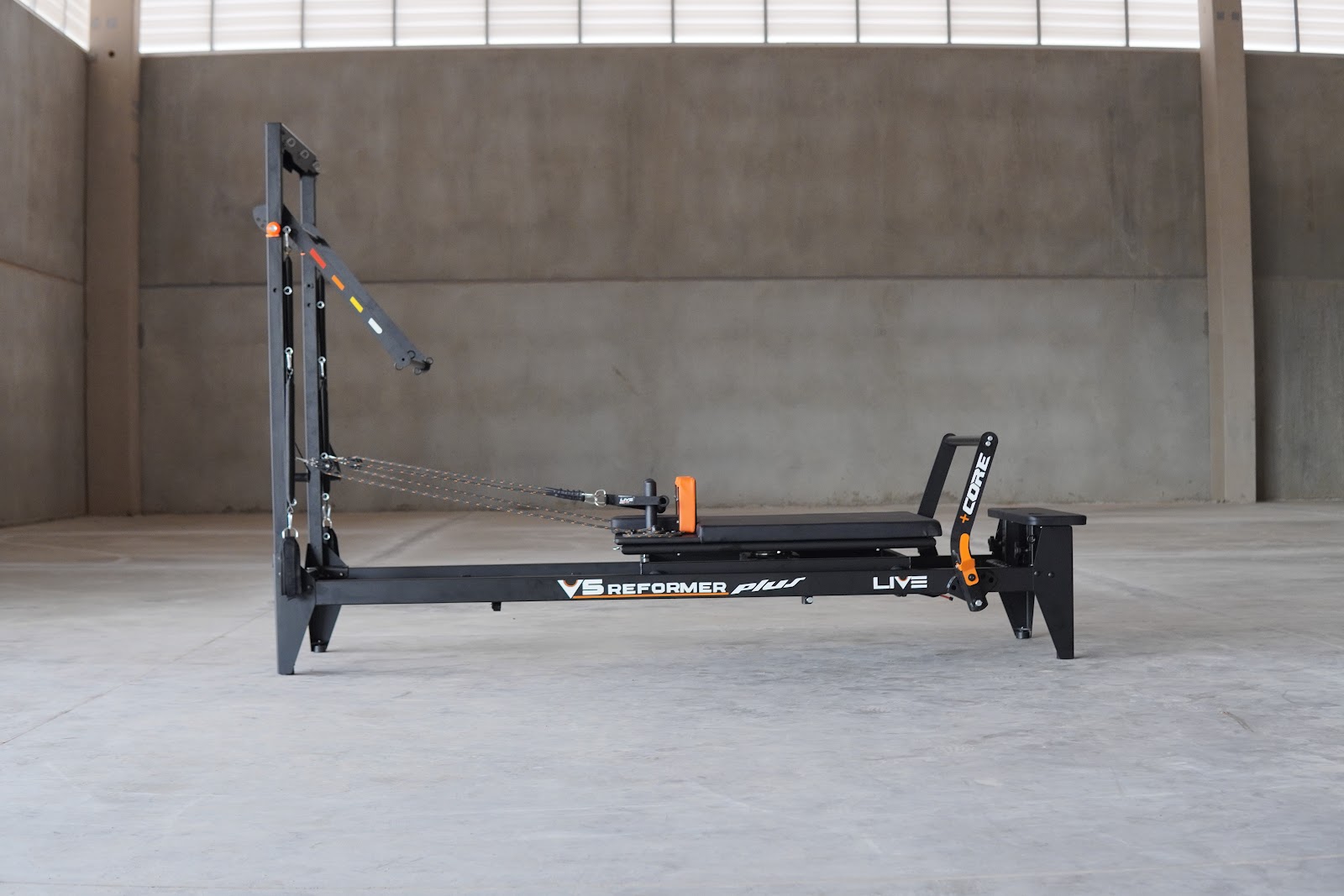
Traditional crunch marathons often overload the neck and lumbar spine. Pilates strengthens the core without that strain, using controlled movement, breath and, on apparatus like the reformer, spring assistance that lets you load the abdominals precisely. That is one reason studios program core work on the reformer and tower for everyone from athletes to post-rehab clients.
02The truth about "losing belly fat"
This is where an honest article has to separate myth from reality, because the two get blended constantly online.
| Myth | Reality |
|---|---|
| "Ab exercises burn belly fat" | There is no such thing as spot reduction. Fat loss happens systemically, driven by overall energy balance. |
| "Pilates alone flattens the stomach" | Definition comes from training plus nutrition. Pilates builds the firm foundation; diet reveals it. |
| "More reps means better abs" | Quality of core engagement beats quantity of repetitions, every time. |
What Pilates reliably builds is a strong core and a firmer waist. The "flat stomach" appears when that work is combined with a sensible calorie balance and good nutrition. If fat loss is part of your goal, our post on Pilates and weight loss covers what to expect.
03What changes, and when
- First weeks: better posture and noticeably stronger core engagement. Many people report their midsection "holds itself in" more naturally.
- 2 to 3 months: visible firmness with regular practice, typically 2 to 3 sessions per week.
- Beyond: definition tracks your nutrition and total activity as much as your Pilates schedule. The full picture is in our post on how long Pilates takes to show results.
A note on diastasis recti: Pilates can be excellent for abdominal separation, using specific deep-core work while avoiding traditional crunches, but the condition should be assessed by a professional first. See our dedicated post on Pilates for diastasis recti.