
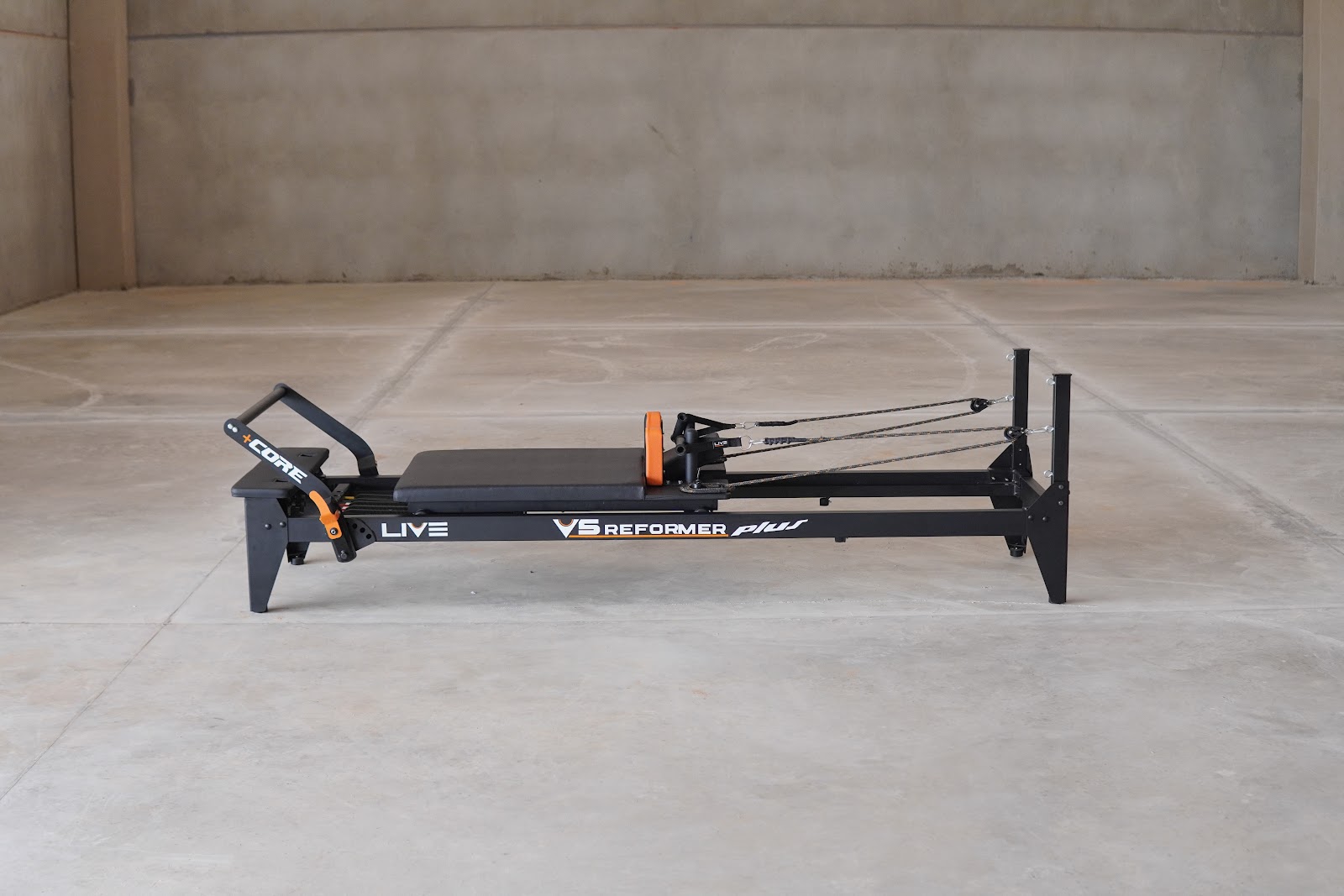
Pilates helps with weight loss, but it is not magic and it is not the biggest calorie burner in the gym. What it does exceptionally well is strengthen and define the body, build lean muscle mass, which raises resting metabolism, and improve posture, which changes how you look before the scale moves. For real weight loss, it works best combined with aerobic exercise and, above all, good nutrition.
Pilates supports weight loss rather than driving it alone. It builds lean muscle, which speeds up metabolism, tones and realigns the body, and makes consistent training sustainable. The decisive factors for losing weight remain nutrition and overall activity; Pilates supplies the strength base and protects your joints so you can train more.
01What Pilates actually does for your body
Lean muscle gain
More muscle means a faster metabolism, even at rest. Spring resistance and controlled body-weight work are genuine strength stimuli, especially for people coming from a sedentary baseline.
Definition and posture
The body gets firmer and better aligned. The silhouette changes before the scale does, which is often the first result people notice in the mirror.
Body awareness
People who reconnect with their body tend to make better daily choices, in food, in movement and in sleep. It is an underrated part of why regular practitioners see lasting change.
Consistency
Because it is enjoyable and low-impact, Pilates is easy to sustain for years. And in body composition, the program you keep beats the program you quit.
02Expectation vs. reality
| The myth | The reality |
|---|---|
| "Pilates melts fat by itself" | Pilates tones the body and sustains weight loss; it is one part of the equation, not the whole equation. |
| "I do Pilates, so I can eat anything" | Nutrition is the decisive factor in losing weight. No training method outruns a poor diet. |
| "One class a week will make me lose weight" | Results come from consistency, two to three sessions a week, plus aerobic work. |
03How to accelerate weight loss with Pilates
Combine Pilates with aerobic activity, walking, running or cycling, a few times a week, and take care of nutrition. That trio is what actually moves the scale. Pilates contributes the strength, posture and definition base, and it protects your joints so you can train more, and train better, without breaking down. Dynamic formats help here too: faster-paced group reformer classes raise the conditioning demand of a session while keeping the method's low-impact character.
04How long until you see results
Firmness and definition usually show up within a few weeks of consistent practice. Change on the scale depends on the whole picture, training plus nutrition. The most important point is this: Pilates helps you keep the result long-term, because it is a practice people actually sustain.
For a weight-loss plan tailored to you, consult qualified fitness and nutrition professionals. This article is general information, not an individual prescription.