
Somewhere between the miracle promises of social media and the vague "results vary" of cautious disclaimers, there is an honest answer to the question every new practitioner asks. It looks like this: some changes arrive surprisingly fast, others take months, and one variable, consistency, dominates all the others. Here is the realistic timeline, stage by stage.
The first Pilates results come fast: posture, body awareness and tension relief within a few weeks. Strength, tone and definition arrive with 1 to 3 months of regular practice. The most visible transformation, body, chronic pain, performance, usually consolidates around 6 months. The variable that matters most is consistency.
01The timeline, on average
Weeks 2 to 4 · awareness and posture
The earliest changes are the ones you feel rather than see: more body awareness, better posture, less accumulated tension in the neck and shoulders. Many people report a difference within their first 8 to 10 classes. It is not imagination; postural muscles respond quickly once they are finally asked to work.
Months 1 to 3 · strength, tone and mobility
This is when the visible layer starts to build: measurable strength gains, firmer muscle tone, noticeably better mobility. Clothes fit differently before the mirror announces anything dramatic. The deep core work described in our Pilates for abs post is usually where people notice it first.
Months 3 to 6 · the deeper changes
Body composition shifts become visible, chronic pain patterns improve substantially, and performance in other activities, running, lifting, daily life, climbs. This is the window where outsiders start asking what you have been doing.
Beyond 6 months · maintenance and evolution
The practice becomes infrastructure: continued progression, durable pain relief and a movement quality that compounds year over year. Pilates is famously a method people keep for decades, and this is the stage where you understand why.
02What accelerates results, and what delays them
| Accelerates | Delays |
|---|---|
| Consistency, 2 to 3 sessions per week | Missed weeks and irregular practice |
| Good execution and professional guidance | Incorrect execution, unsupervised shortcuts |
| Pairing with nutrition and cardio | Expecting a miracle without the habit |
| Appropriate progression of load | Chasing intensity before technique |
Notice what tops each column. Frequency and regularity, not talent and not intensity, are the levers that move the timeline. We break down the ideal schedule in how often to do Pilates per week.
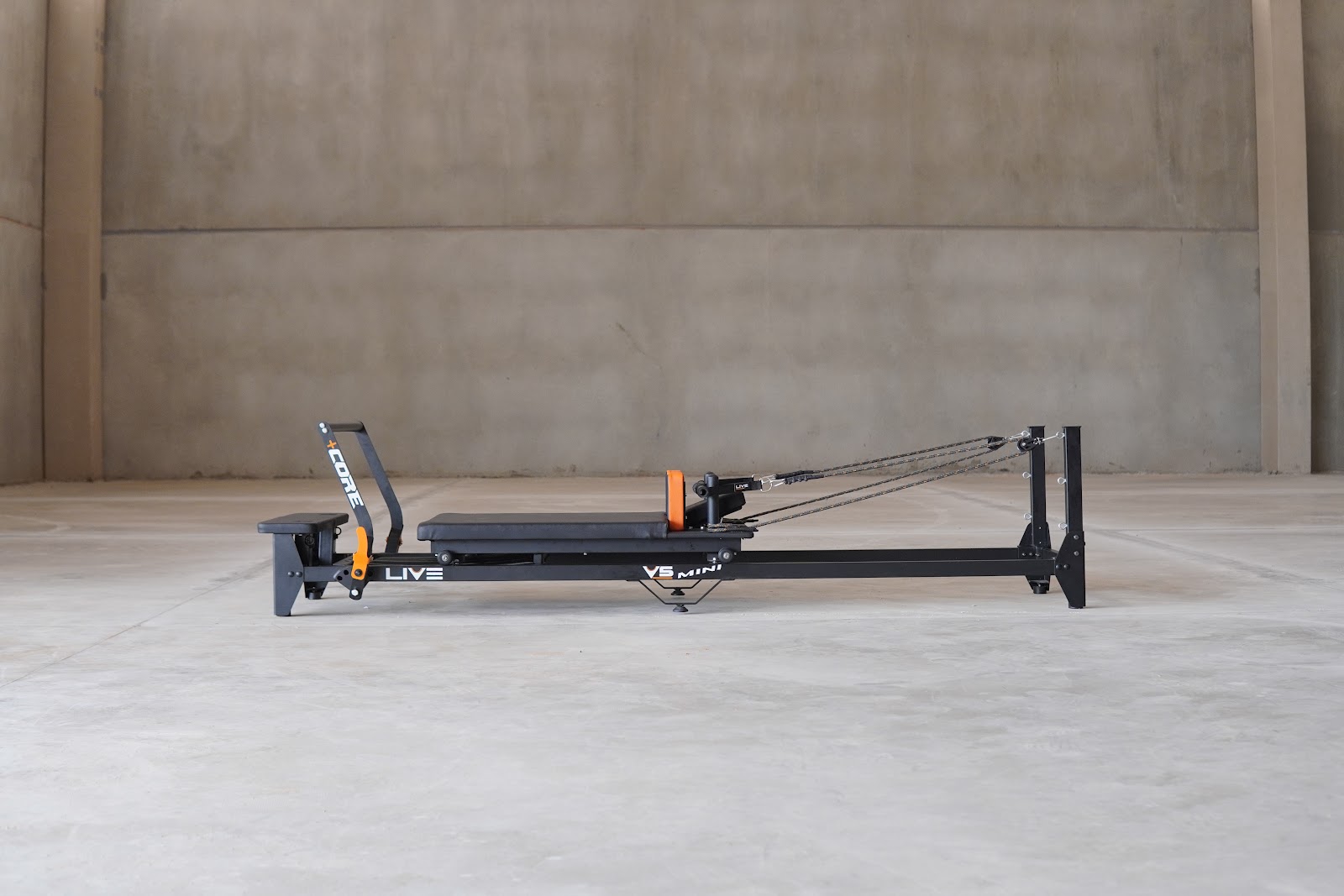
Equipment plays a quiet role here too: apparatus work with adjustable spring resistance lets an instructor progress your load precisely, session after session, which keeps the stimulus matched to your level, one of the reasons studios equipped with a full apparatus lineup tend to deliver faster, steadier progress than mat-only programs.
03The sentence that sums it up
Pilates is not the fastest method in fitness, but it is one of the most sustainable, and the results that come from consistency are the ones that stay. If you are just getting started, our beginner's guide will help you build the habit that makes this whole timeline real.
Timelines are averages: individual results vary with starting point, consistency and overall lifestyle. For goals involving pain or health conditions, work with qualified professionals.