
Low back pain is one of the leading reasons people miss work and seek care, and for the chronic, recurring kind, the research consensus is remarkably consistent: movement beats rest, and structured, guided exercise beats generic movement. Pilates sits near the top of the recommended list because it trains exactly the three things a painful lower back is usually missing: deep core strength, better posture and smarter movement patterns.
Pilates is one of the most recommended approaches for chronic lower back pain. It strengthens the core, the deep musculature that stabilizes the spine, improves posture and teaches the body to move without overloading the lumbar region. It is not a magic fix: it works through consistency and good instruction.
01Why Pilates relieves lower back pain
A strong core
The deep abdominals and lumbar muscles form the support system of the spine. When they are strong and coordinated, everyday load is shared by muscle instead of concentrating on the passive structures that hurt.
Better posture
Pilates rebalances the musculature and corrects the postural habits of a life spent sitting. Less slumping means less constant strain parked on the lumbar spine.
Conscious movement
The method teaches how to bend, sit and stand without punishing the lower back. For chronic pain, this motor re-education is as valuable as the strength itself.
Low impact
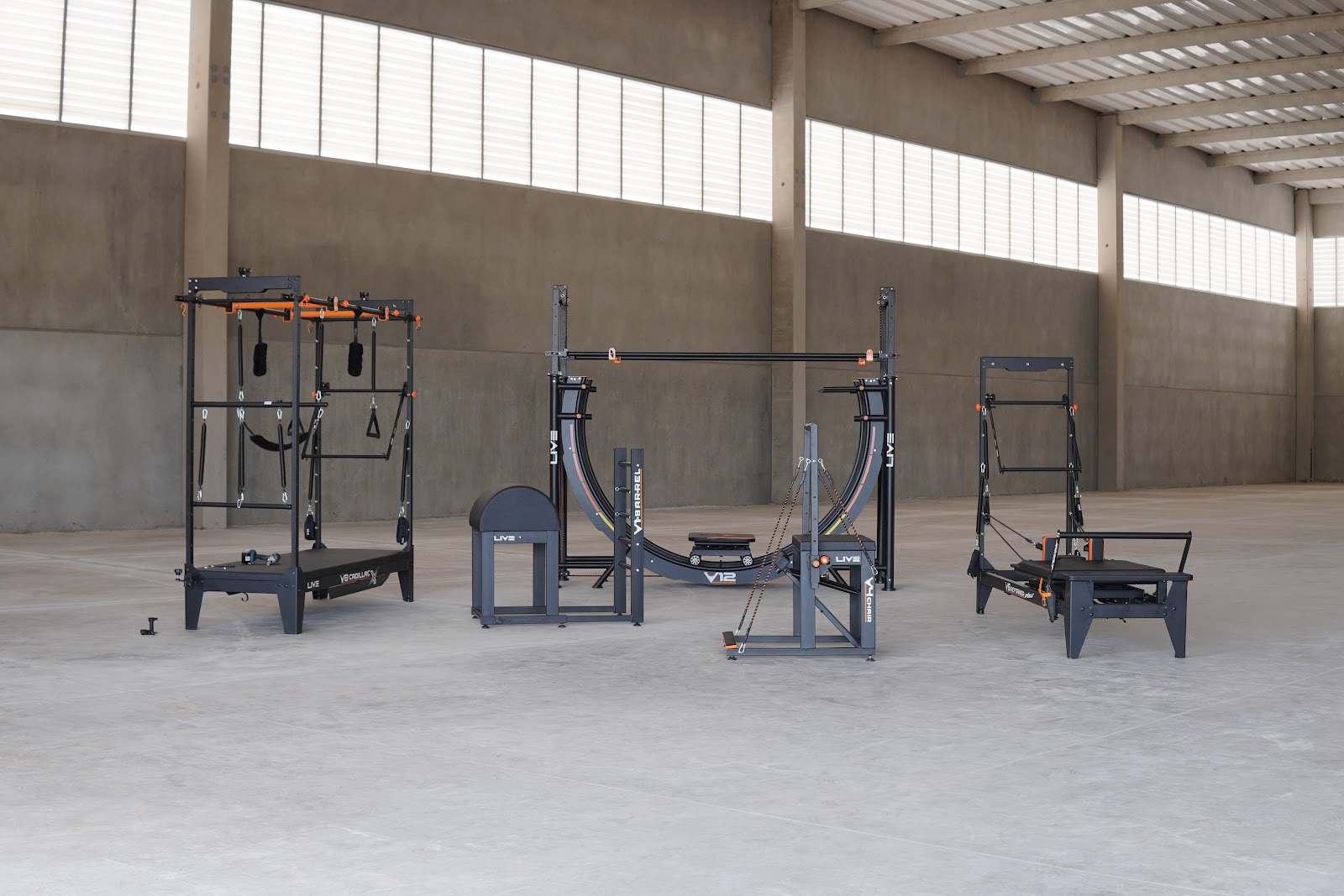
Spring-supported work strengthens without jolts, which is exactly what a sensitive back can tolerate. It is why apparatus such as the reformer is a staple of back-care programs.
02Acute vs. chronic pain: what to do in each case
Acute pain (a recent flare)
- Focus on controlling the pain first.
- Gentle, short movements only.
- Avoid whatever increases the pain.
- Get a professional assessment before training.
Chronic pain (recurring)
- Progressive core strengthening.
- Mobility and posture work.
- Regular practice, two to three times a week.
- This is where Pilates shines most.
03How long until it improves
Many people feel relief within a few weeks of regular, well-guided practice. The secret is consistency: the gains come from training the core and the movement patterns over and over, not from one heroic, intense session. Think of it as re-teaching the body a skill, with strength as the byproduct.
04When to see a professional first
Pain radiating down the leg, tingling, weakness, or pain that simply does not improve deserves a medical or physical therapy evaluation before exercise. Pilates then enters as part of the treatment plan, not as a substitute for diagnosis. For studios and clinics that serve this audience, structured progress records make all the difference; see our post on clinical Pilates and progress tracking and our guide to equipment for studios.
This article is for general information only and is not medical advice. Persistent low back pain, or pain with radiating symptoms, tingling or weakness, should be evaluated by a physician or physical therapist before you begin an exercise program.