
Every reformer looks similar in a photo: a frame, a carriage, some springs, a footbar. The differences that matter only reveal themselves under load, and over time. A professional reformer is defined by how it behaves in session eight of a twelve-session day, in month eighteen of ownership, with a 240-pound client doing loaded footwork. That is the standard this guide is written to.
A professional Pilates reformer has a robust frame, a carriage that glides smoothly and silently, a spring system with real load progression, reliable pulleys and cables, and a factory warranty in writing. For intense studio use, durability and biomechanics matter more than price. Live's V5 Reformer family offers four versions, Classic, Mini, Plus and X, engineered for different studio needs.
01What makes a reformer "professional"
The word gets used loosely, so let's define it by components. These are the six systems that separate commercial-grade reformers from equipment that merely looks the part.
Frame and materials
The frame is the foundation of everything else. Look for quality steel, firm and clean welds, and upholstery specified for daily commercial wear. A frame that flexes under a heavy client changes the geometry of every exercise; upholstery that cracks in a year changes how clients perceive your entire studio. Ask the manufacturer directly what the structure is built from and how it is joined.
Carriage glide
The carriage is where the client lives, and its glide is the single most telling quality signal on any reformer. It should travel smoothly, silently and with zero play, on wheels engineered for intense daily use. A noisy or gritty carriage is not just an annoyance: it is early feedback about wheel and track quality that will only get worse. When you test a reformer, close your eyes and listen to the carriage. It will tell you the truth.
Spring system
Springs are the engine of the method. A professional system delivers genuine load progression across its spring combinations and engages with a positive, secure attachment that instructors can change quickly between exercises. Check how the springs hook, how clearly the resistances are identified, and how the progression feels through its full range, not just at the start of the stroke.
Pulleys and cables
Straps, cables and pulleys take constant, repetitive load in every class. They should run true, adjust precisely and hold their settings. Cheap pulley hardware announces itself with friction and drift, and it is one of the most common failure points on lower-grade machines.
Finish and safety
Locks, stoppers and adjustment points exist to protect the client. Each should engage positively, hold firmly under load and be quick for an instructor to verify between clients. Run every adjustment through its range repeatedly when you evaluate a machine, exactly the way a busy class schedule would.
Warranty and factory support
A reformer is a long-term asset, and the warranty is what protects it. Get the terms in writing, confirm what is covered and for how long, and understand how replacement parts and technical support actually reach your studio. A machine with a great frame and no support path is still a bad buy for a commercial operation.
02The Live V5 Reformer family
Live builds its reformer line around one engineering platform in four versions, so studios can match the machine to the space and the concept without giving up build quality anywhere in the range.
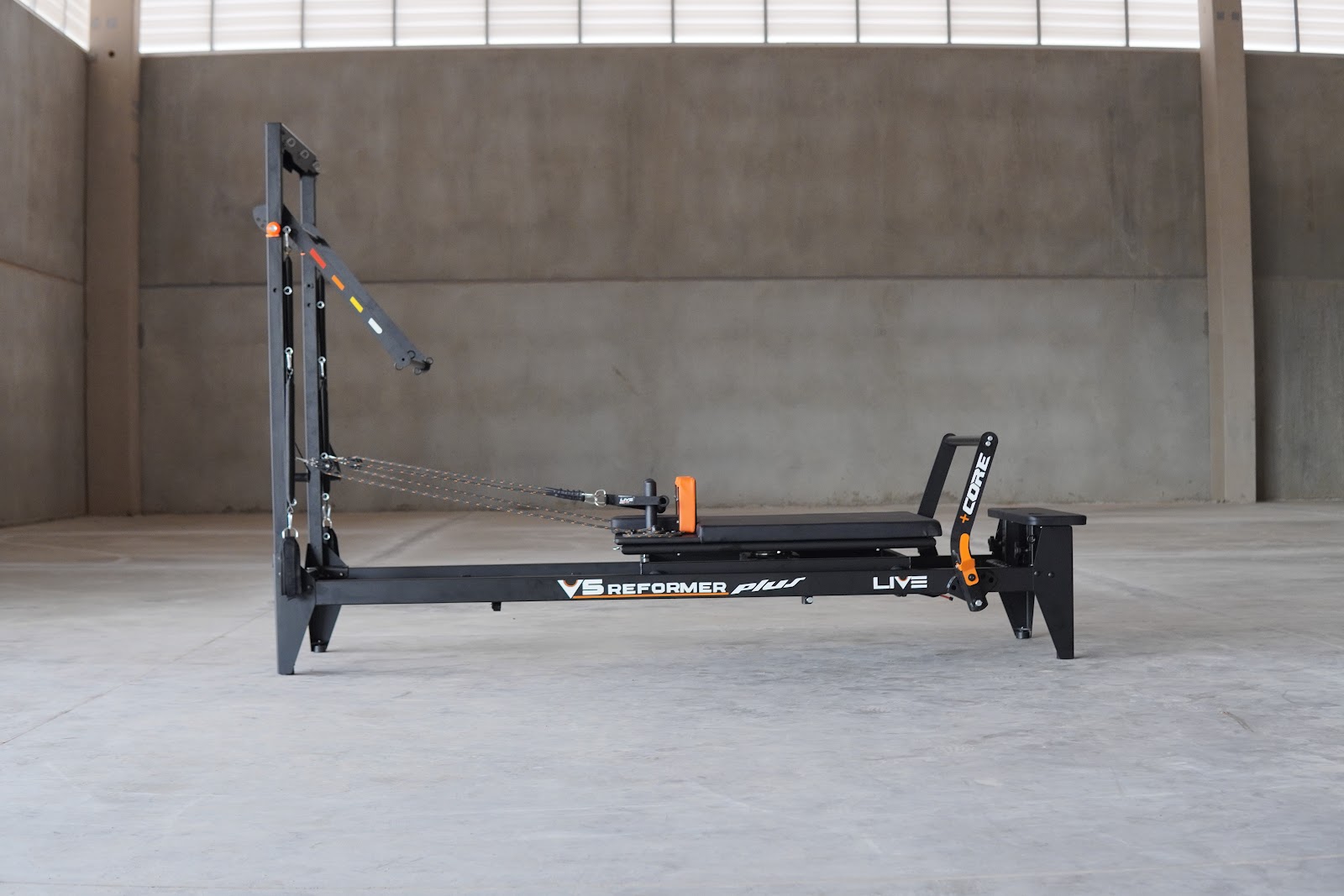
V5 Reformer Classic
A slim reformer with the stability and performance of the full platform, with a fixed-carriage option for studios teaching the classical method.
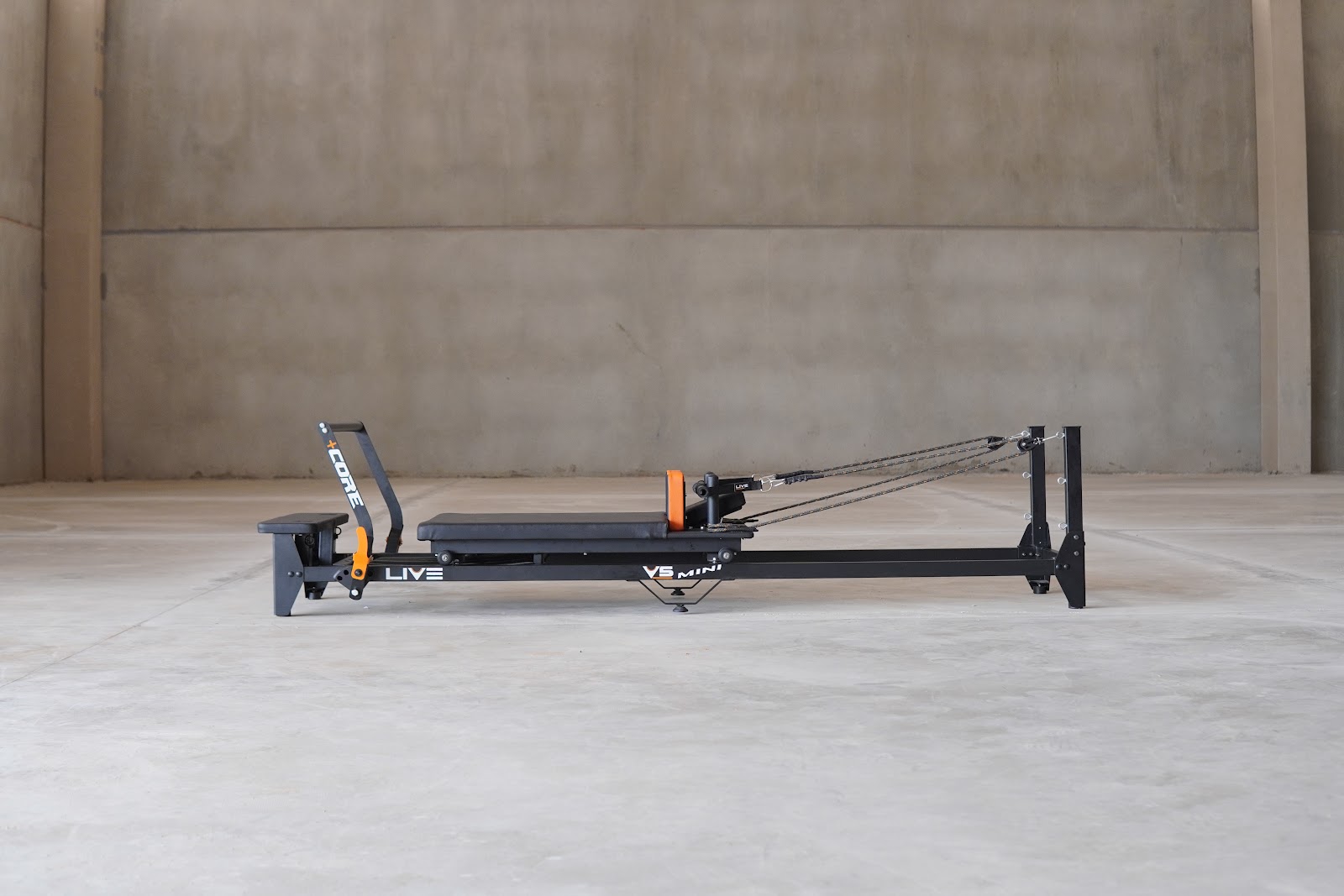
V5 Mini Reformer
Compact footprint for smaller studios and multi-use rooms, without sacrificing the versatility of the full-size machine.
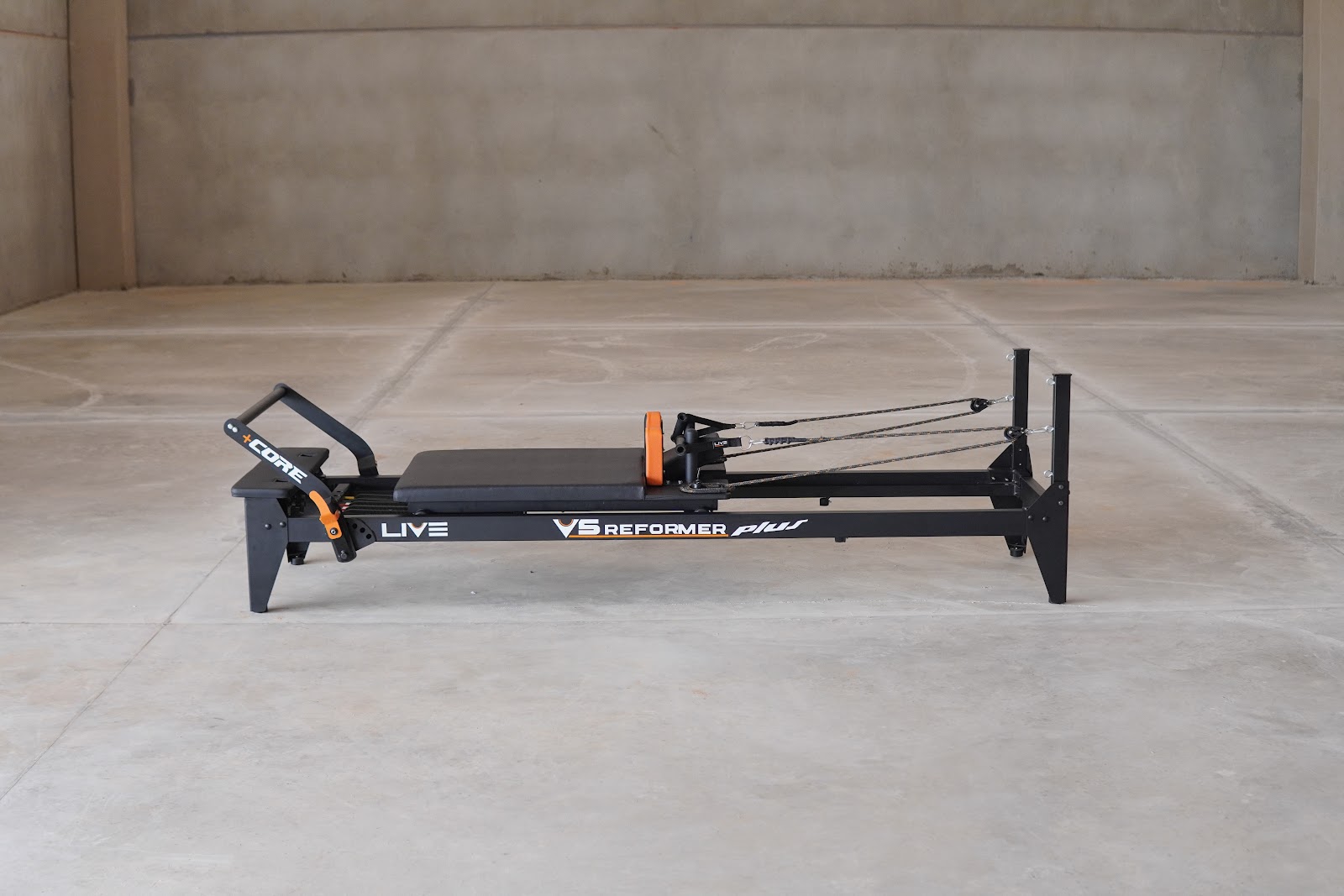
V5 Plus Reformer
The premium configuration, built for classical movements and contemporary variations on the same machine.
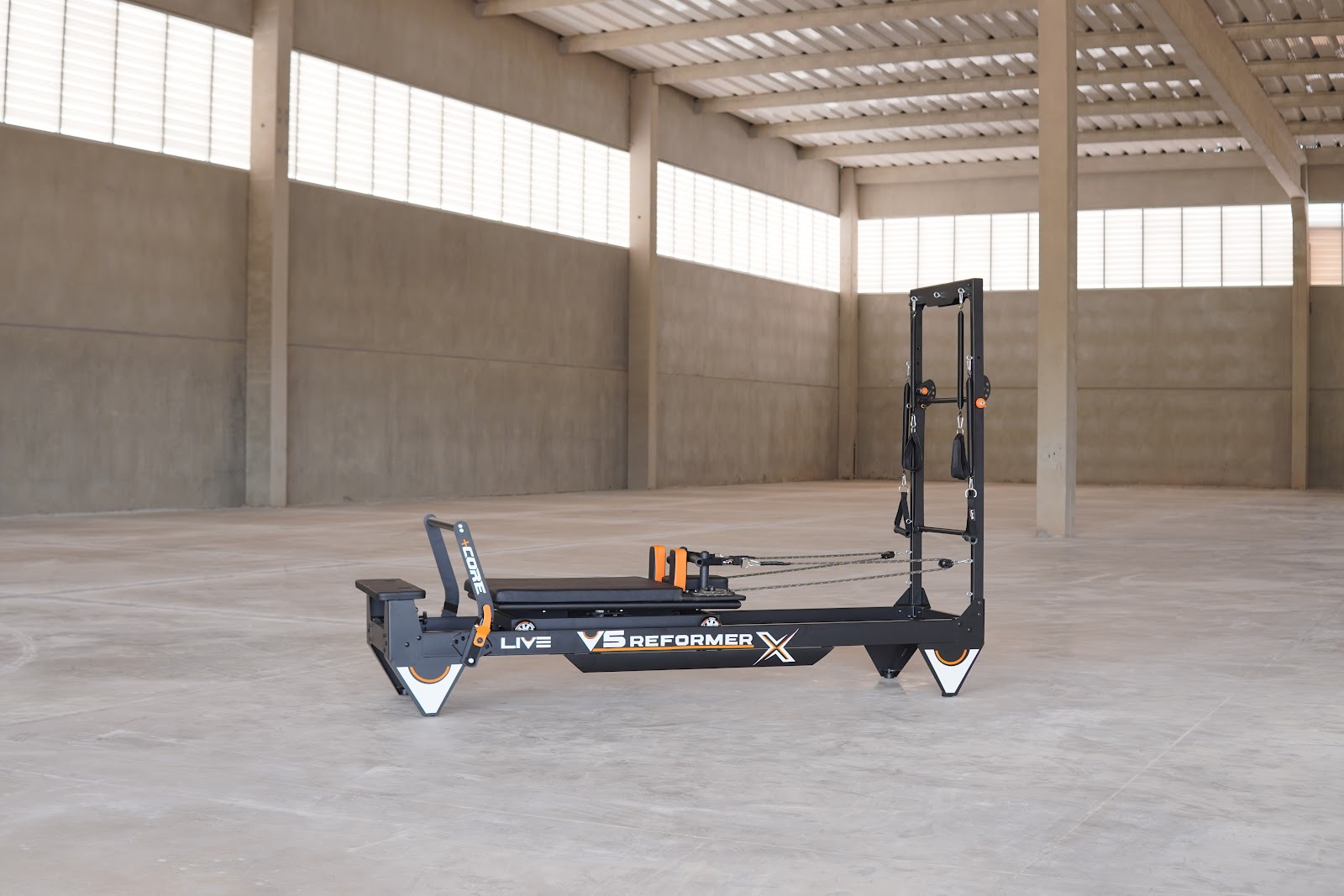
V5 X Reformer
Everything the Plus offers, with specialized wheels, a more robust structure and Live's highest-grade carriage glide.
| Model | Profile |
|---|---|
| V5 Classic | Slim reformer with stability and performance; fixed-carriage option for the classical method |
| V5 Mini | Compact, ideal for smaller studios without giving up versatility |
| V5 Plus | Premium, for classical movements and contemporary variations |
| V5 X | Same capabilities as the Plus, with specialized wheels, a more robust structure and top-grade glide |
03How to compare before you buy
Whatever brands make your shortlist, put every candidate machine through the same checks. Fifteen focused minutes with a reformer will tell you more than any spec sheet.
- Test the carriage glide. It must be smooth, silent and free of play, at slow speed and under load. This is the fastest overall quality signal a reformer gives you.
- Work the spring system. Change spring combinations the way an instructor would mid-class. Check how they attach, how secure the engagement feels, and whether the progression of resistance is genuinely useful.
- Get the warranty in writing. Confirm parts availability and support response before signing, not after the first problem.
- Measure your space honestly. Compact models like the V5 Mini keep full programming in rooms a full-size machine would crowd.
- Look at the maker's full lineup. If the reformer impresses you, the same engineering standard across Cadillac, Chair and Barrel lets you standardize the studio. Our machine-by-machine guide covers the rest of the lineup.
And before any of it, decide what the reformer is for in your business: classical teaching, contemporary group classes, clinical work, or all three. The right professional reformer is the one whose engineering serves your programming, holds up to your schedule, and comes from a manufacturer that stands behind it. For how to evaluate that manufacturer, see our guides on choosing an equipment brand and comparing brands fairly.