
Every inch the head drifts forward multiplies the load the neck has to carry. Add tense shoulders and a rounded upper back, the standard posture of a life spent between laptop and phone, and the cervical muscles end up permanently overworked. The pain most people call "sleeping wrong" is usually something else: a posture problem, repeated eight hours a day. That is also why it responds so well to postural re-education.
Pilates can relieve neck pain by strengthening the deep muscles that stabilize the cervical spine, improving head and shoulder posture and releasing tension in the traps and shoulders. A large share of modern neck pain comes from "tech neck", hours with the head tilted toward a screen, and re-educating posture is what changes the game.
01Why the neck hurts
The head weighs roughly as much as a bowling ball, and the neck is engineered to carry it stacked over the shoulders. Tilt it forward toward a screen and the effective load on the cervical spine multiplies. Hold that position for hours, day after day, and the neck and upper-back muscles never get to switch off. The pain is the invoice, and it improves when two things change: posture and strength.
02How Pilates helps
It re-educates posture
Pilates realigns head, shoulders and spine, taking the constant load off the neck. That alignment, rehearsed under guidance, gradually becomes the default outside the studio too.
It strengthens the deep stabilizers
The method targets the deep muscles that stabilize the cervical spine, not just the superficial ones that get tight and sore. Deep strength is what makes postural correction stick.
It releases accumulated tension
The traps and shoulders are where stress parks itself. Controlled, full-range movement lets that load go.
It restores mobility
The neck and upper back regain the free, comfortable rotation and extension that stiffness had taken away.
03What to prioritize and what to avoid
Prioritize
- Head and shoulder alignment work.
- Deep cervical strengthening.
- Gentle cervical mobility.
- Postural awareness carried into daily life.
Avoid
- Forcing range of motion through pain.
- Loads that make the traps take over.
- Sudden, uncontrolled neck movements.
- "Pulling" from the neck during exercises meant for other muscles.
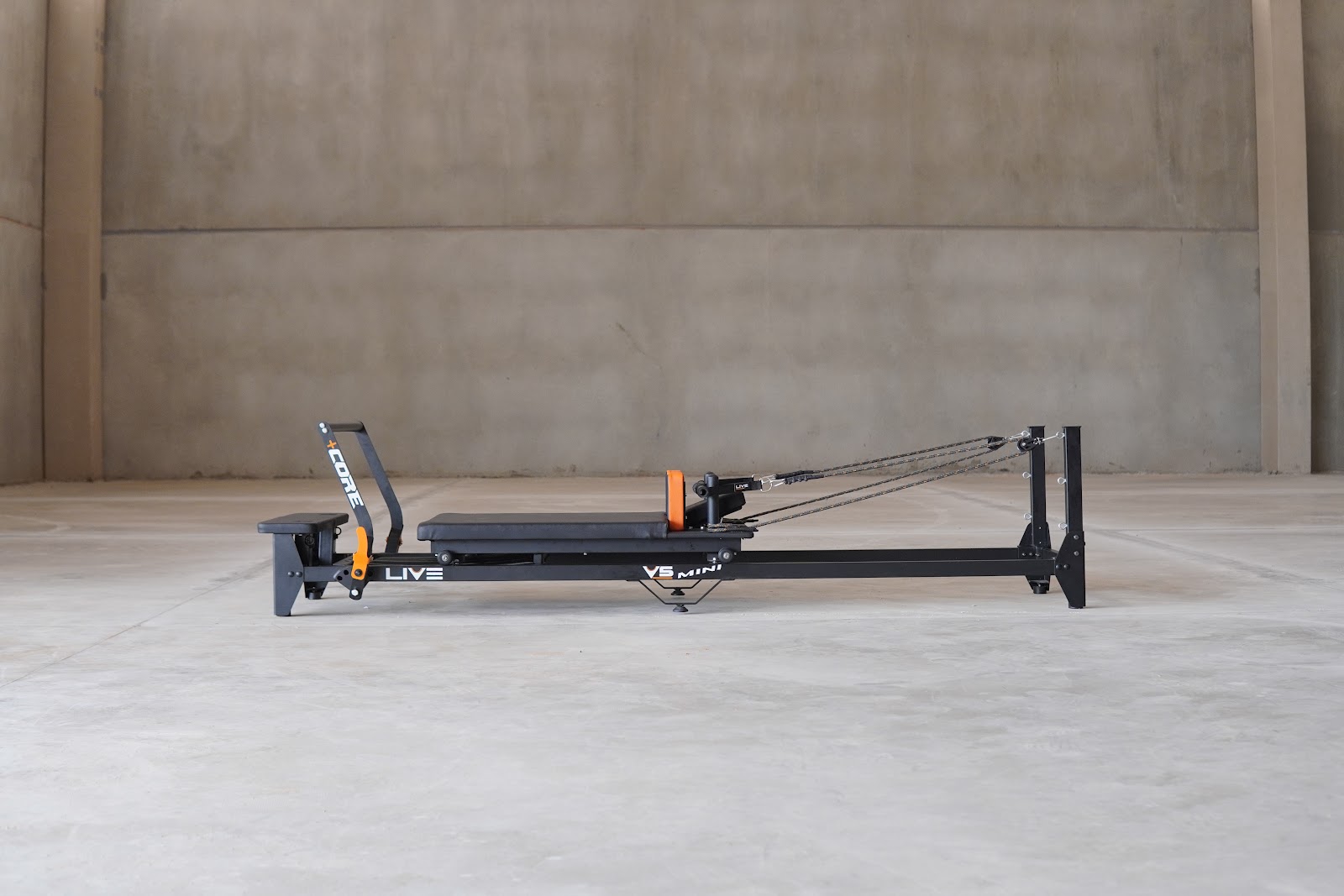
Apparatus work helps here because springs and straps let the shoulders and upper back do their job while the neck stays supported and relaxed. See our overview of Pilates apparatus for how each machine supports postural work, and our group class formats for how studios program it at scale.
04When to see a professional first
Pain radiating down the arm, tingling, loss of strength, or intense and persistent pain calls for a medical evaluation before exercise. Pilates is part of the solution, but it does not replace a diagnosis of the underlying cause.
This article is for general information only and is not medical advice. Neck pain that is persistent, intense, or accompanied by radiating symptoms, tingling or weakness should be evaluated by a health professional before you begin exercising.