
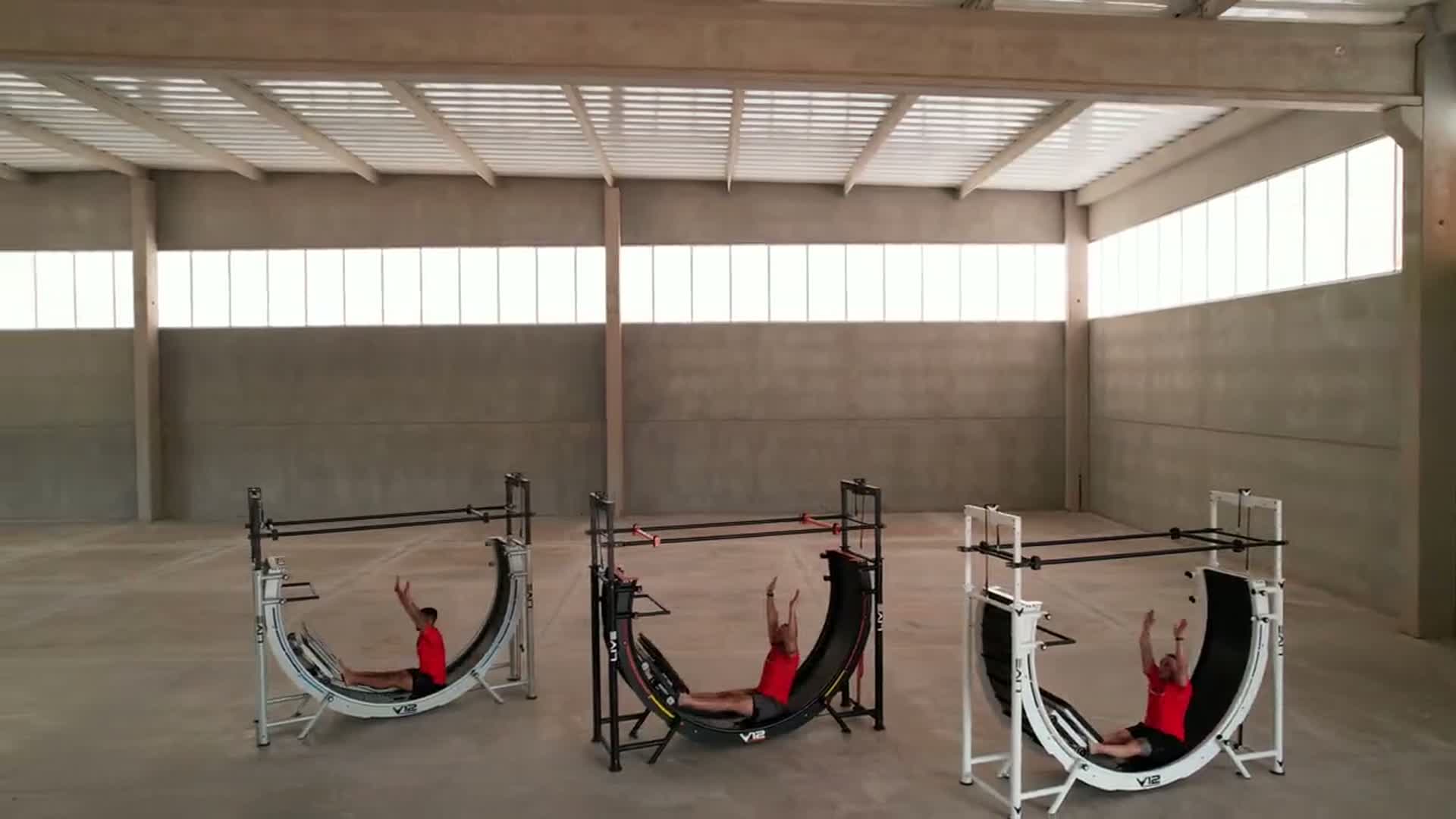
Anxiety lives in the future, in the endless loop of "what if". One of the quiet strengths of Pilates is that it pulls attention back to the present: the rhythm of the breath, the precision of a movement, the feel of the body working. Repeated class after class, that return to the here and now is more than a pleasant side effect. It is one of the mechanisms by which movement helps regulate the stress response.
Pilates can help with anxiety management. The combination of controlled breathing, concentration and conscious movement reduces muscle tension, calms the mind and often improves sleep. It does not replace mental health care, but it is a powerful ally for both body and mind.
01Why Pilates calms the nervous system
Breathing
Slow, coordinated, deep breathing activates the parasympathetic nervous system, the body's built-in braking system. Every Pilates exercise is organized around the breath, which means a full session doubles as extended breath training.
Concentration
Focusing on the detail of each movement works like active meditation. It occupies the same mental bandwidth that anxious rumination normally runs on, and pulls the mind out of the loop.
Tension release
Anxiety stores itself physically: tight shoulders, a stiff neck, a clenched jaw. Deliberate, full-range movement releases that accumulated load, and the body's feedback to the brain changes with it.
Better sleep
A body that has worked and a mind that has settled tend to produce better nights. Improved sleep then feeds back into lower baseline anxiety, one of the most reliable virtuous cycles in exercise science.
02What regular practice does day to day
The effect is cumulative. Each session is a rehearsal in returning attention to the present, and over weeks that skill starts to show up outside the studio: in traffic, before a difficult meeting, at 3 a.m. when the mind wants to spiral. Practitioners typically report less background tension, a calmer baseline and a growing sense that they have a tool that works.
03Movement science and the brain
The relationship between movement and mental health is one of the most active areas of exercise research, and the evidence keeps pointing the same way: conscious, structured movement is a powerful tool for the mind. That principle is embedded in how modern studios build their programs, from individual apparatus sessions to group class formats designed around breath, rhythm and focus. The engineering of the equipment matters too: smooth, precisely calibrated spring resistance lets the practitioner sink into the movement instead of fighting the machine, which is exactly the quality to look for in professional Pilates apparatus.
04How to start
Start with regular classes, around twice a week, at an unhurried pace, with your attention on the breath rather than on performance. Consistency beats intensity here: the calming effect compounds with repetition, not with effort. If your anxiety is intense or persistent, combine the practice with professional mental health care. Exercise adds to treatment; it does not substitute for it.
This article is for general information only and is not medical or mental health advice. Pilates can complement but never replace professional care. If anxiety is persistent or intense, seek help from a qualified mental health professional.