
Fibromyalgia presents movement with a paradox. Exercise is one of the most consistently recommended approaches for the condition, yet exercise done wrong, too hard, too fast, too soon, reliably makes it worse. The way out of the paradox is dose. And a method built on low impact, breath and gradual progression happens to be engineered around exactly that.
Pilates can help people with fibromyalgia because it offers low-impact exercise, breath work and gradual progression, three things this condition demands. Movement at the right dose tends to reduce pain, fatigue and stiffness, and to improve sleep and mood. The secret is starting slowly and respecting the body.
01What fibromyalgia is
Fibromyalgia is a chronic, widespread pain syndrome, usually accompanied by fatigue, poor sleep and heightened sensitivity. Exercise is among the most recommended approaches, but it has to be carefully dosed: overdoing it makes things worse, and stopping altogether does too. The whole game is balance.
02How Pilates helps
Low impact
The body moves without jolts, which sensitive muscles and joints tolerate far better than impact work. Supported apparatus exercise extends that tolerance further still.
Breath and relaxation
The breath work woven through every session calms the nervous system and lowers the background tension that amplifies pain.
Mobility and strength
The practice counters stiffness and gradually returns capacity for movement, at a pace the body accepts.
Sleep and mood
Regular, tolerable activity tends to improve sleep quality and disposition, two of the levers that most influence how fibromyalgia feels day to day.
03The secret is the dose
What makes it worse
- Starting too intensely.
- Ignoring flare days.
- Comparing yourself to other people.
- Chasing fast results.
The path that works
- Start very light and progress slowly.
- Adapt the session on bad days instead of skipping it entirely, when possible.
- Respect your own rhythm.
- Value consistency over intensity, always.
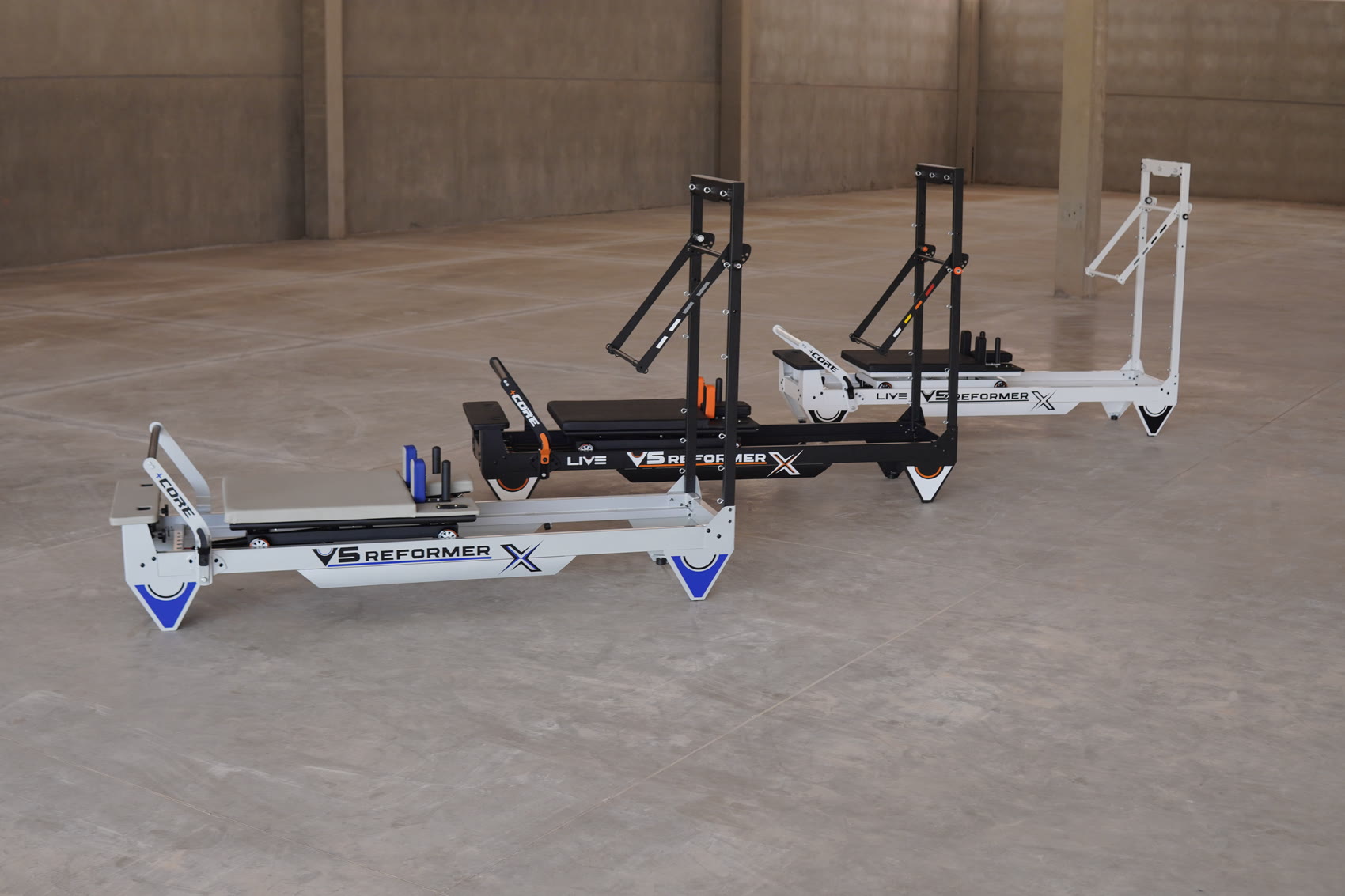
Spring-based apparatus is a genuine advantage for this population: resistance can start almost imperceptible and grow in tiny increments, and the supported positions reduce the cost of every movement. Our guide to Pilates apparatus explains the options.
04What to expect
The gains come with regularity and patience: less stiffness, more energy and better control of pain over the weeks. Pilates adds to medical treatment; it does not replace it. Medical follow-up, ideally multidisciplinary, remains essential. For studios, this audience rewards calm environments and unhurried programming, whether individual or in small group formats.
This article is for general information only and is not medical advice. Fibromyalgia should be managed with professional medical care, ideally multidisciplinary. Exercise complements treatment and should be dosed and supervised by qualified professionals.