
The biggest physical threats of aging are quiet ones: muscle that slips away year by year, balance that erodes until a rug edge becomes dangerous, joints that stiffen from disuse. Falls are the leading cause of injury among older Americans, and most of that risk is trainable. Pilates addresses each of these threats directly, with a level of support and precision that makes it one of the safest places for an older adult to train. Here is what it offers and how to begin well.
Yes, Pilates is safe and recommended for seniors, provided it is adapted and supervised. The practice strengthens muscles, improves balance and mobility and reduces fall risk, the main cause of fractures in older age. Being low impact, it is one of the safest ways to maintain strength and independence after 60.
01Why Pilates works so well in later life
Balance and fewer falls
Pilates trains stability and proprioception, the body’s sense of where it is in space, in nearly every exercise. That is direct fall prevention, which is the single highest-value physical outcome for older adults.
Strength and bone health
Resistance work preserves muscle mass and gives bones the stimulus they need. For practitioners with low bone density, the repertoire adapts, as our osteoporosis guide explains.
Mobility and posture
The method keeps joints moving through useful ranges and counters the stiffness that builds up from long sitting hours.
Independence and an active mind
Stronger legs and better balance mean carrying groceries, climbing stairs and getting off the floor without help. And the concentration the method demands keeps the mind engaged in every session.
02Is it safe? The precautions that matter
Pilates is low impact, but later life calls for individualization. Before starting, an assessment, medical and from the Pilates professional, should account for conditions like osteoporosis, high blood pressure, joint replacements or movement limitations. From there, spring load and range of motion are adjusted to what the body allows, starting slowly and progressing with safety.
Prioritize
- Stability and balance work
- Leg and glute strengthening
- Gentle spinal mobility
- Breathing and control
Adjust or avoid, case by case
- Forced spinal flexion (osteoporosis)
- Positions that cause dizziness (blood pressure)
- End ranges without support
- Heavy loads without progression
03How to start
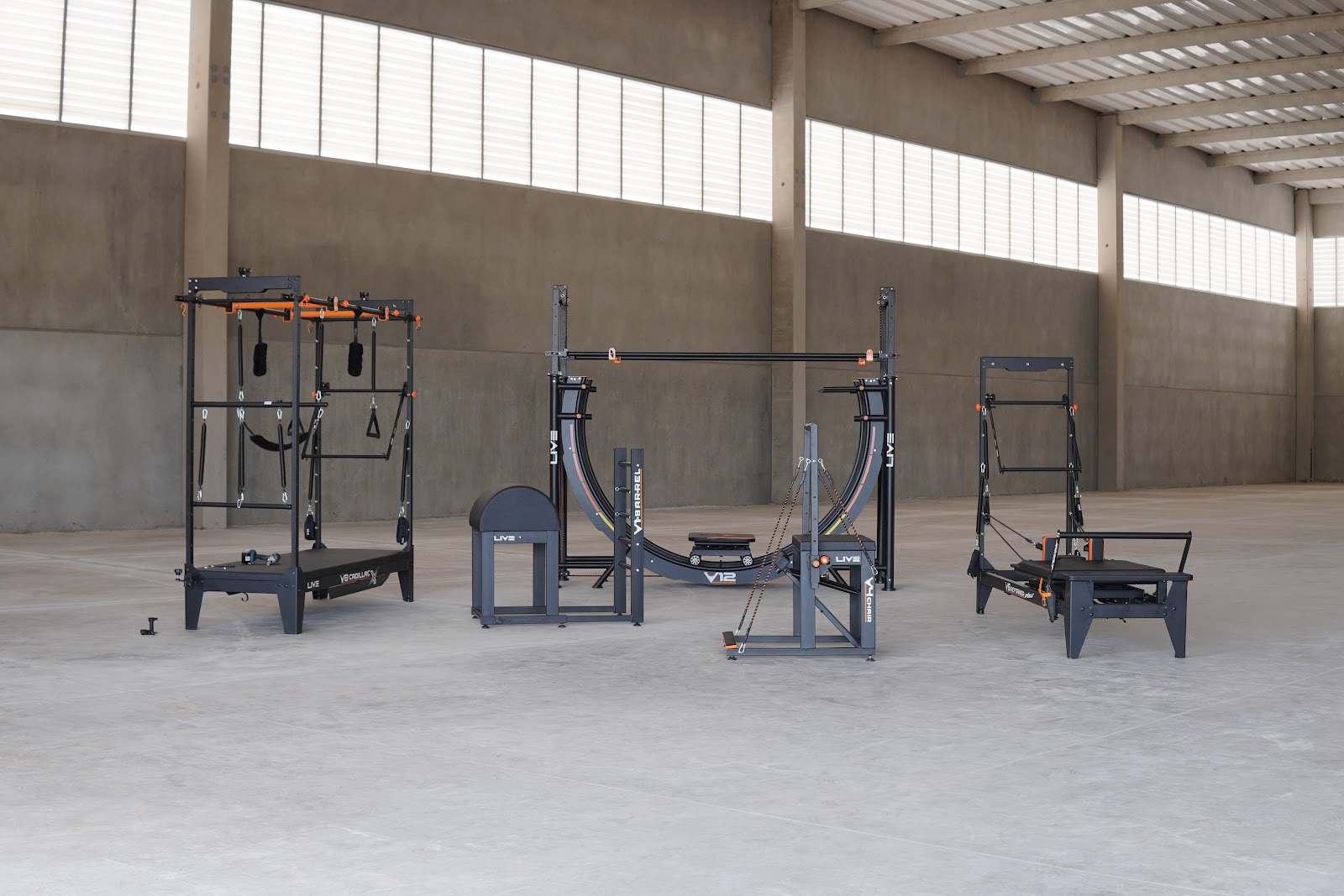
The ideal entry point is private or duet sessions with an instructor who watches execution closely. Apparatus work, on the Reformer, Cadillac and Chair, tends to suit seniors especially well because the equipment offers physical support while springs let the instructor dose effort precisely. Twice a week is enough to produce consistent gains in strength and balance within a few weeks. Complete beginners can also start with our general beginner’s guide to know what to expect.
Health disclaimer: This article is for general information only and is not medical advice. Older adults should get a medical assessment before starting a new exercise program, and practice under qualified professional supervision.