
Menopause is not a single event but a systemic shift. When estrogen falls, bone density declines faster, muscle mass becomes harder to keep, the pelvic floor weakens, and sleep and mood often follow. Exercise is one of the most effective countermeasures at every one of those points, and Pilates delivers it in a form that is strong enough to matter and gentle enough to sustain. Here is what changes, and how the method meets each change.
Menopause brings hormonal drops that affect bones, muscle mass, the pelvic floor, mood and sleep. Pilates is a strong ally through this phase: it builds muscle, stimulates bone, improves balance, strengthens the pelvic floor, and its focus on breathing and awareness supports overall wellbeing, all with low impact.
01What changes in the body during menopause
Falling estrogen accelerates the loss of bone and muscle, encourages fat gain around the midsection, weakens the pelvic floor and disrupts sleep and mood. None of this is destiny: strength and balance training is one of the best defenses at every point on that list, and Pilates delivers it safely, without the joint stress that can make other training styles hard to keep up at this stage of life.
02How Pilates helps
Bones and strength
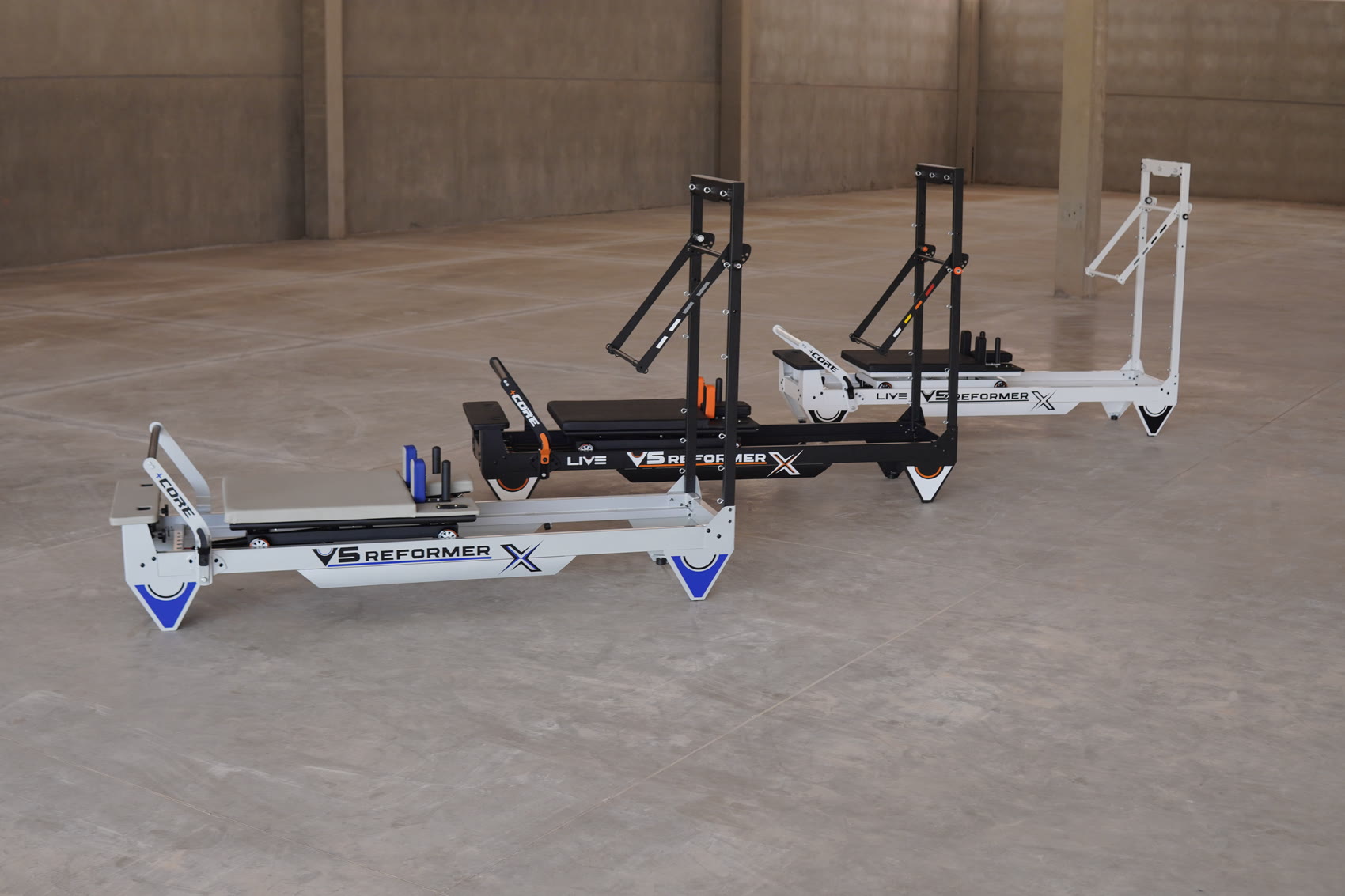
Working against spring resistance on apparatus like the reformer and Cadillac preserves muscle mass and gives bones the loading stimulus they need to stay dense. This is resistance training, just delivered with control instead of impact.
Balance
Fall risk rises with age, and falls are what turn low bone density into fractures. Pilates trains stability and body awareness constantly, which is quiet but crucial protection.
Pelvic floor
Hormonal changes commonly bring bladder leaks. Pilates strengthens the pelvic floor as part of the deep core, a topic we cover fully in our guide to Pilates for urinary incontinence.
Mood and sleep
Movement, controlled breathing and focused attention help regulate stress and improve sleep quality, two things menopause tends to disturb most.
03What to prioritize
- Strength first: legs, glutes and back, the muscle groups that protect bones and posture.
- Balance work: single-leg and stability challenges, built up progressively.
- Pelvic floor integration: trained with the breath, not in isolation.
- Mobility: keeping the spine and hips moving well as tissue stiffens.
One important caveat: with osteoporosis or osteopenia, loaded spinal flexion and forced rotation should be avoided. That is exactly why an initial assessment and professional supervision matter; a good instructor adapts the repertoire to protect the spine while still building strength. If bone density is a concern for you, our Pilates for osteoporosis guide goes deeper. Consistency wins here: two to three sessions per week, as covered in how often to do Pilates, produce steady gains.
Health disclaimer: This article is for general information only and is not medical advice. Exercise during menopause should be guided by a healthcare professional, especially if you have osteoporosis, osteopenia or other medical conditions.