
The same reformer can be a great purchase for one buyer and the wrong one for another. That is because the right choice depends on the objective: a studio prioritizes versatility and durability for intense daily use, while a physical therapy clinic values safety, fine adjustment and the ability to track patient progress. This guide covers the criteria that matter in both cases, and where the priorities split.
The choice changes with the goal. A studio prioritizes versatility and durability for high-volume use; a clinic values safety, fine load adjustment and documented patient progress. In both, the quality of the frame and the manufacturer's support matter more than the sticker price, because the machine will work hard for a decade or more.
01Which apparatus form the base of a studio?
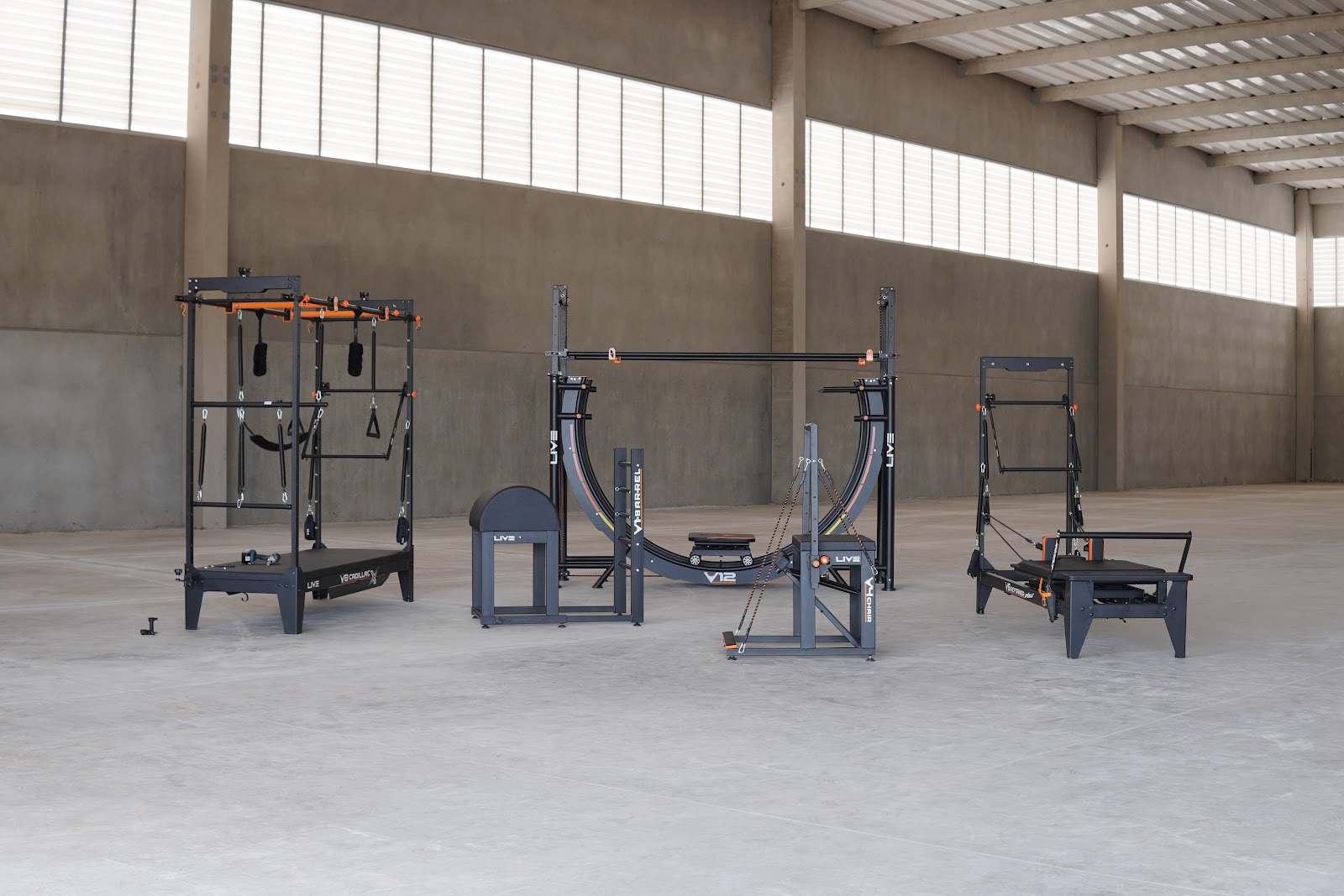
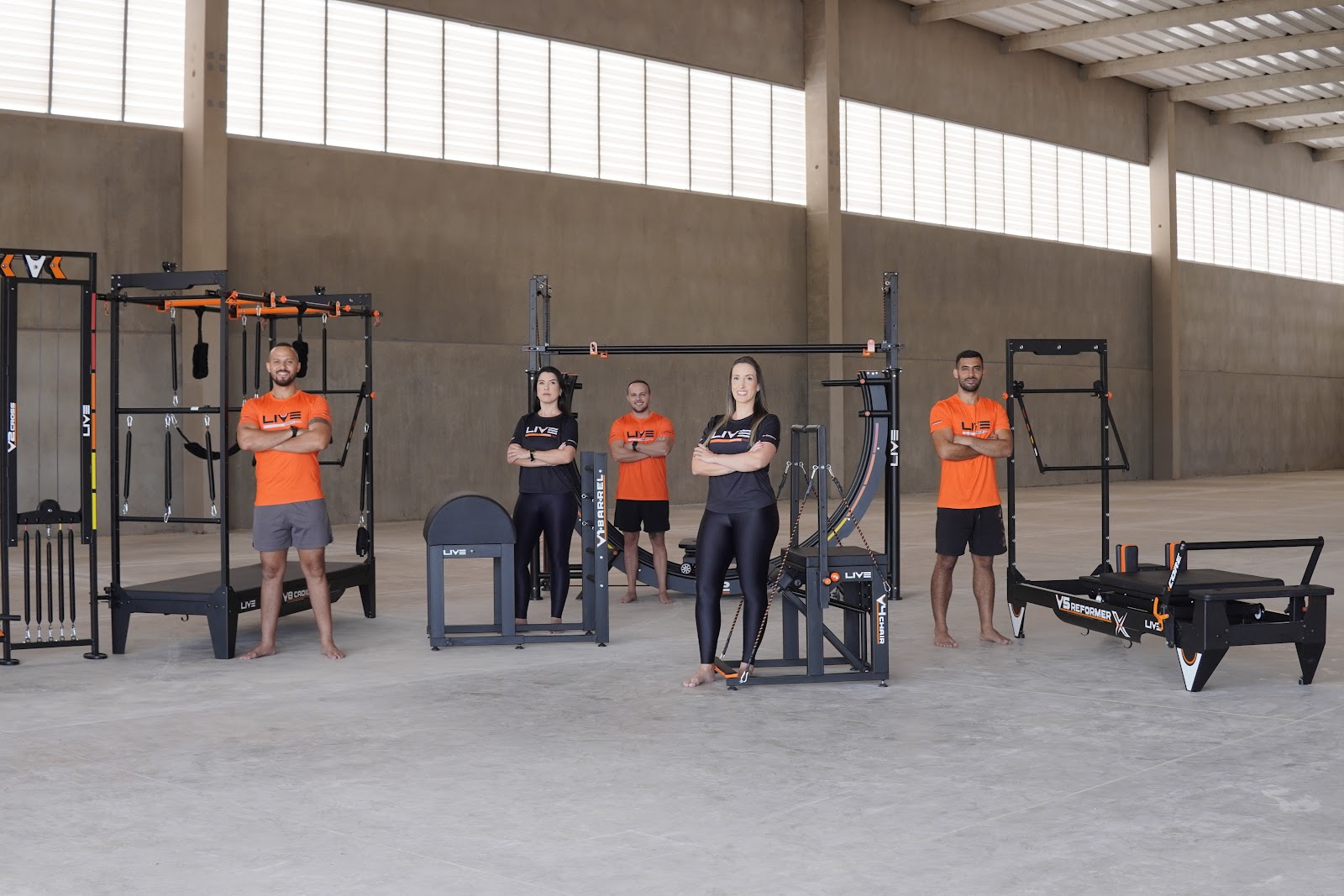
A complete facility is built around four machines, each covering a different part of the repertoire:
- Reformer. The central apparatus, serving the majority of classes and every client level. If you buy one machine first, it is this one. See our professional reformer guide for what separates a commercial-grade unit from a light-duty one.
- Cadillac / trapeze table. Expands the repertoire from classical work to advanced strength and assisted mobility.
- Chair. Strength and stability training in minimal floor space.
- Barrel. Spinal extension and flexibility, completing the classical set.
For a deeper look at what each machine contributes, our guide to the best Pilates machines for a professional studio covers the full lineup.
02Seven criteria to evaluate before buying
- Frame. Material and welds that do not give under daily load. This is the foundation of safety and lifespan.
- Springs. Consistent, durable resistance. Springs are the heart of the apparatus; inconsistent springs change the exercise itself.
- Adjustability. More adjustment points mean more exercises and more client profiles served by the same machine.
- Durability. Upholstery, rails and pulleys specified for high turnover, not home use.
- Support and warranty. Parts availability and service speed determine how much a breakdown actually costs you.
- Reputation. The manufacturer's track record and real references from working studios and clinics.
- Total cost. Price plus freight plus maintenance over the years, not the invoice alone.
03Studio vs clinic: what changes?
| Priority | Studio | Physical therapy clinic |
|---|---|---|
| Focus | Versatility and class flow | Safety and individualization |
| Load adjustment | Broad range for varied classes | Fine-grained, for rehabilitation work |
| Progress records | Desirable for retention | Highly relevant, part of clinical documentation |
For clinics, the ability to dose load precisely and to document progression objectively is not a nice-to-have; it is part of professional practice. We explore that side in depth in our post on clinical Pilates and data-based progress tracking.
04Evaluating the manufacturer behind the machine
The market offers many brands at many price points, and the differences that matter are rarely visible in a product photo. What separates manufacturers in practice is parts accessibility, local service response and how the warranty behaves when you actually need it. A machine supported by a responsive manufacturer keeps working; one that depends on slow, distant intermediaries becomes a liability regardless of how well it was built.
The practical advice: request quotes from more than one manufacturer with your actual project in hand (space, number of machines, audience), then compare frame, warranty and support side by side. Our brand comparison framework and our guide to choosing the best equipment brand give you a structured way to run that comparison. Live manufactures a complete line, from the V5 Reformer family to the V8 Cadillac and functional stations, and serves studios and clinics across the United States with factory-direct support; you can see the full range on our equipment page.