
Ask ten studio owners how they set their prices and at least half will admit the honest answer: they looked at the studio down the street. It is an understandable shortcut, and it is also how healthy businesses end up with unhealthy margins. Sustainable pricing is not about matching anyone; it is about knowing three numbers and one story about your own business.
Sustainable Pilates pricing is built on three factors: your costs (the floor), your brand's positioning and the value your clients perceive. Charging too little erodes both margin and the perception of quality; charging more than you deliver drives people away. The right price sits where those three factors meet, and it is rarely the same as your neighbor's.
01What goes into the price
- Fixed and variable costs. Rent, payroll, equipment, insurance, utilities. This is the floor: any price below it is a subsidy you are paying your clients. Most owners who "feel busy but broke" have never calculated their true cost per class.
- Perceived value. Environment, service, visible results and meaningful differentiators raise what clients willingly pay. Perceived value is built, not declared.
- Positioning. A premium studio and a budget studio are not competing at the same price point, and pretending otherwise hurts both. Decide which one you are and price accordingly.
- Capacity. How many clients fit per time slot defines your revenue ceiling. Group formats change this math dramatically, which is why group classes have become central to studio economics.
02Pricing models compared
| Model | When to use it | Effect |
|---|---|---|
| Monthly membership | The standard for committed regulars | Predictability and loyalty |
| Class packages | Clients with variable schedules | Cash up front, less recurrence |
| Drop-in classes | Trial and first contact | An entry door, priced highest per class |
| Premium / private plans | One-on-one attention | Higher ticket, higher margin |
Most healthy studios run more than one model at once: memberships as the base, packages for flexibility, drop-ins as the front door and private sessions at the top of the ladder. The mix is a lever, not a formality; where you set the gaps between tiers quietly steers clients toward the commitment level you want.
03How to raise perceived value
Instead of fighting on price, raise what the price buys. An impeccable environment. Personal attention that clients mention to their friends. Visible proof of progress, so every client can see their own evolution rather than take it on faith. And genuine differentiators: assessments, structured follow-up, premium equipment that clients can feel the difference in. When a client sees results and feels cared for, price stops being the center of the decision.
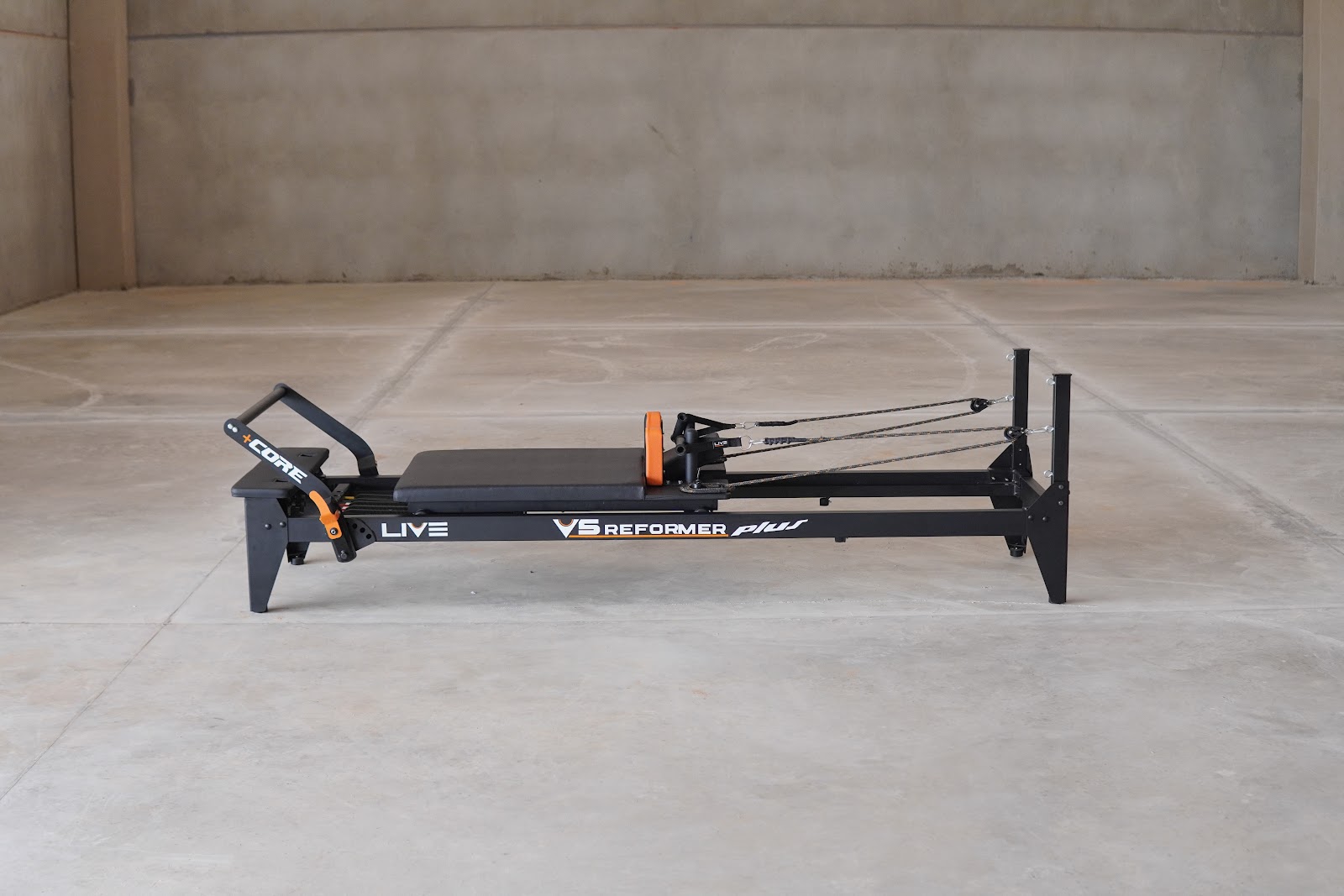
Equipment plays a real role here. Clients cannot evaluate your instructor's certification, but they can feel the difference between a machine that glides and one that rattles. The machines on your floor are the most tangible signal of your positioning, and the reason premium studios treat them as a brand decision, not just a purchase. Our post on differentiating your studio goes deeper on this.
04The three classic pricing mistakes
Copying the neighbor's price without knowing your own costs, which imports someone else's business model into your rent. Never adjusting prices, which lets inflation quietly eat the margin year after year. And aggressive discounting, which trains clients to wait for promotions and devalues the brand you are trying to build. Price is strategy, not a guess.
Pricing also connects directly to your initial investment: what you spent to build the studio defines the revenue it needs to produce. If you are still in the planning phase, read our post on what goes into studio startup costs before setting your price list.