
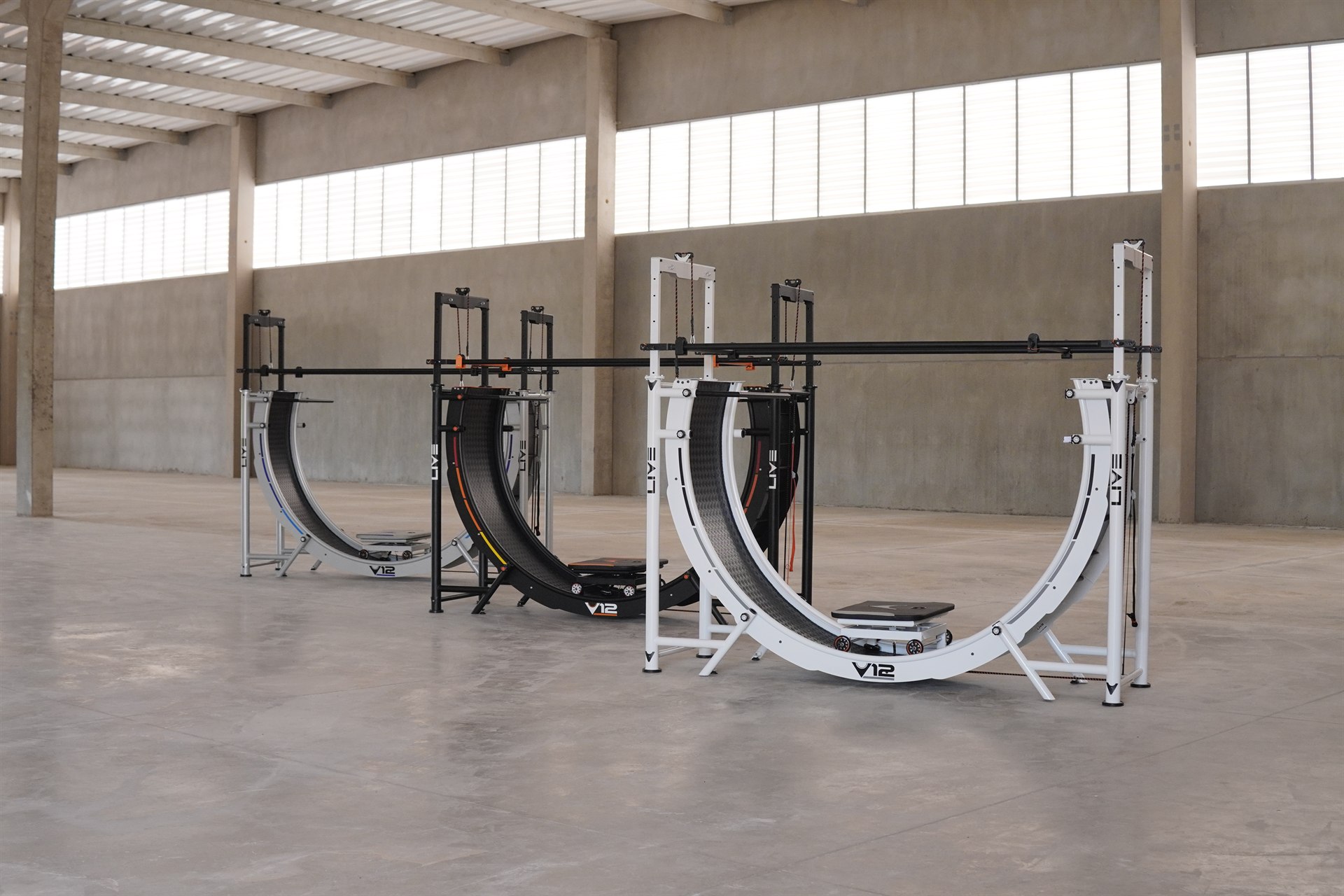
Whether you are opening your first room or adding a second location, the decisions you make before a single machine arrives will define your studio's economics for years. Growth without planning produces the three most expensive problems in this business: idle capacity, costly maintenance and a client experience that quietly degrades. Here is what actually deserves your attention.
Before starting or expanding a Pilates studio, infrastructure planning defines success. The four key decisions are space per apparatus, equipment choice, people flow and service capacity. Get those four right and growth compounds; get them wrong and you pay for it in idle machines, repairs and lost clients.
01Plan the space, not just the square footage
Every apparatus needs its working area plus circulation room around it. A reformer, for example, needs space for the carriage to travel fully and for the instructor to move around the client. Squeezing in extra machines by shrinking that circulation is a classic mistake: it creates discomfort, real safety risk and an immediate drop in how premium the studio feels. The floor plan is part of the product.
02Equipment: quality that lasts
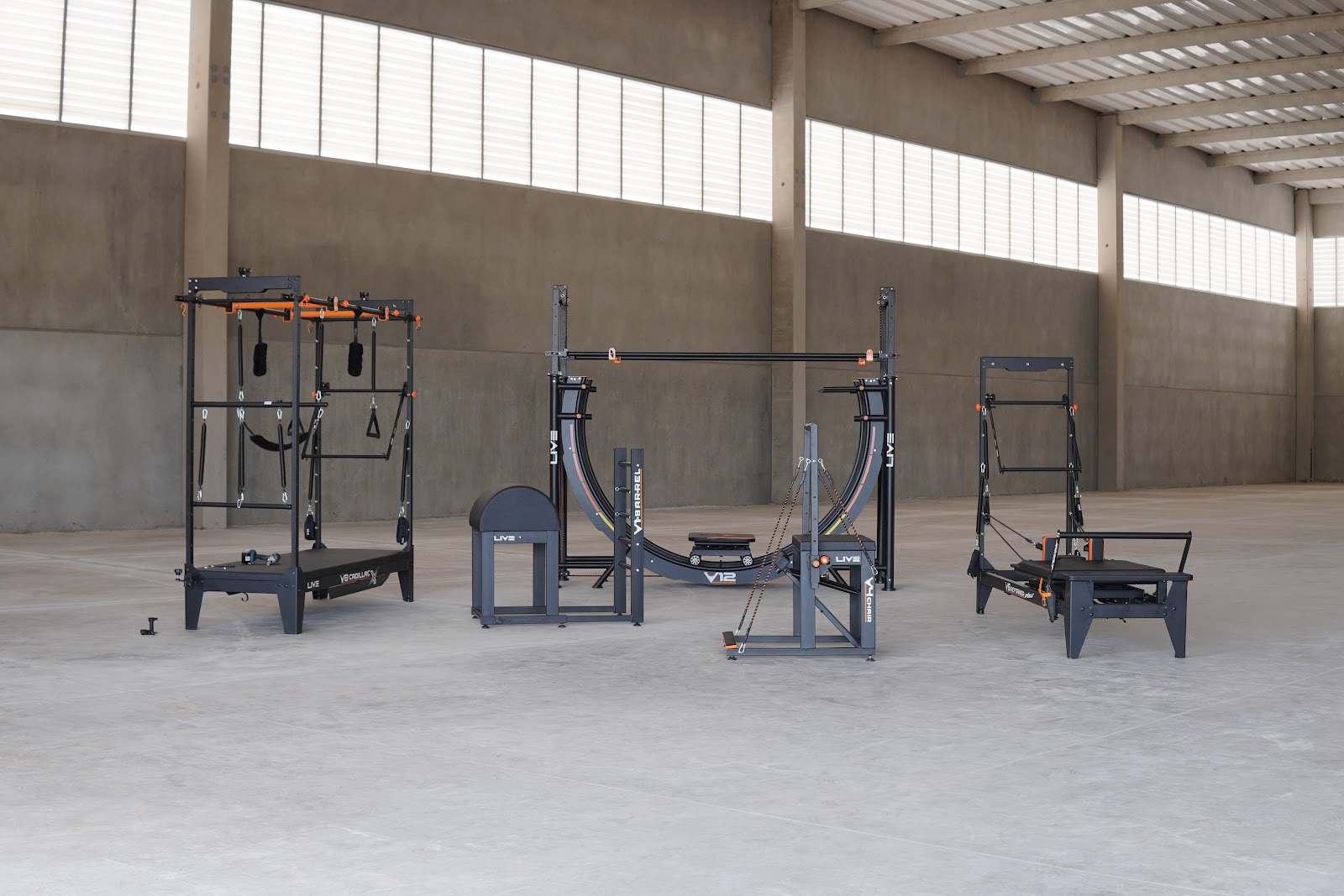
In a commercial setting the machines work intensely, every day. Four factors separate equipment that supports growth from equipment that limits it:
- Structure. Under intense use, the robustness of the frame defines both safety and lifespan. This is not where you economize.
- Maintenance. Accessible parts and responsive support keep the operation running. A machine down for weeks is revenue lost daily; our post on equipment durability and maintenance covers this in depth.
- Versatility. Machines that serve multiple goals and audiences make every square foot work harder.
- Differentiators. Features that elevate perceived value, from assessment tools to progress tracking, help justify premium pricing and set the studio apart.
Our guide to Pilates equipment for studios details what a complete equipment plan looks like by studio size.
03Flow and capacity
Think through the client's path: entrance, reception, changing area, class floor, exit. A well-designed flow prevents crossings and delays between class groups, which matters more with every additional client per hour. Capacity, the number of clients you can serve per time slot, is what defines your revenue ceiling. It needs to balance occupancy against comfort: pack the room and you win a month of revenue while losing a year of retention.
04Expansion mistakes vs best practices
| Common mistakes | Best practices |
|---|---|
| Cramming the space with machines | Comfortable space per apparatus |
| Cheap equipment that breaks down | Durable equipment with real support |
| Ignoring people flow | Planned flow between class groups |
| Expanding without proven demand | Growing based on occupancy data |
The last row is the one that saves businesses. Expand when occupancy is consistently high and demand is going unserved, not when a good month makes you optimistic. Occupancy data is the cheapest consultant you will ever hire.
If you are starting from zero, our step-by-step guide on how to open a Pilates studio covers the full journey, and our post on what goes into startup costs breaks down the budget side of the same decision.