
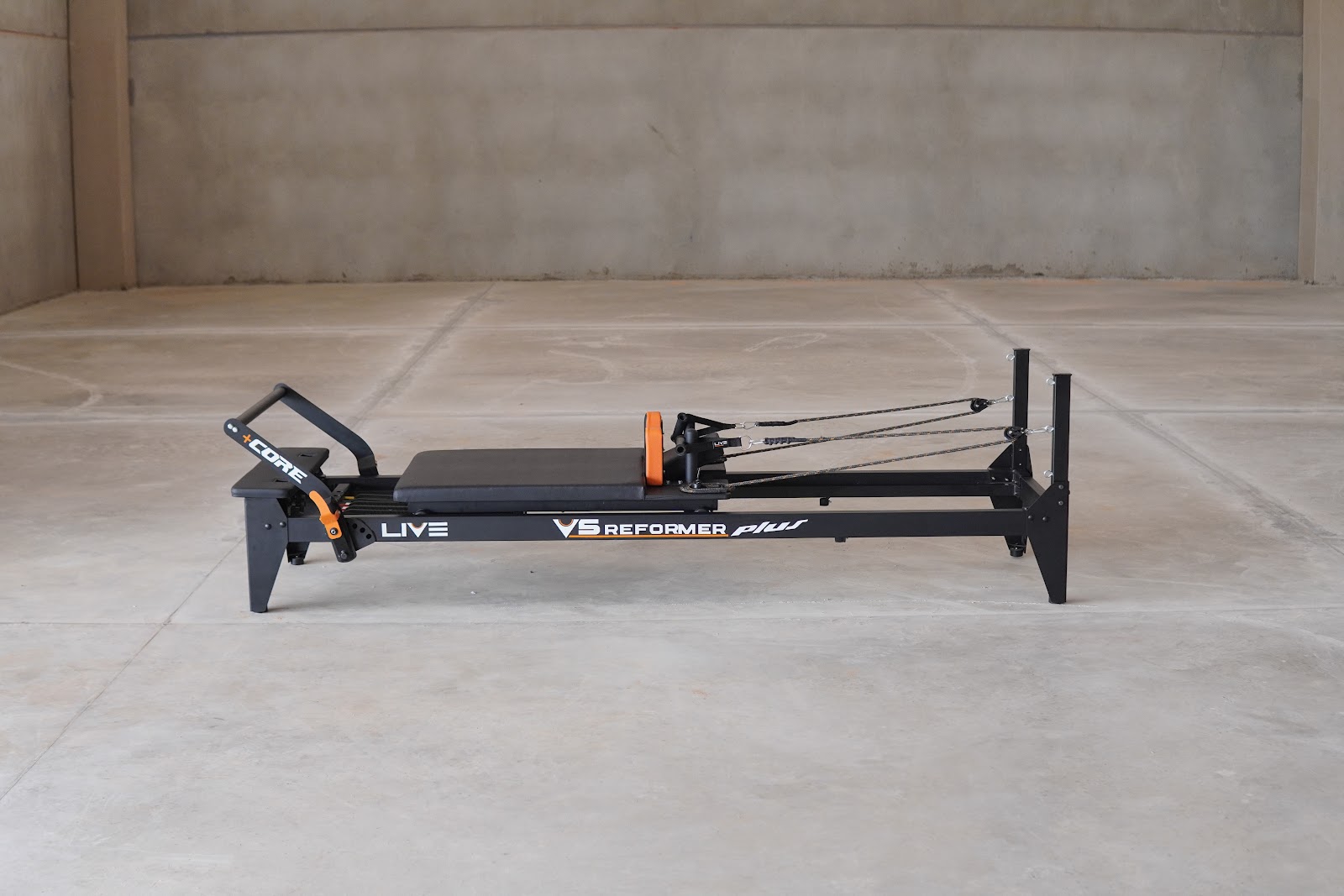
Exercise is one of the most reliable tools for managing diabetes, and it works through a simple mechanism: muscle consumes glucose. The more lean mass you carry and the more regularly you move, the better your body handles blood sugar. Pilates brings something valuable to that equation, resistance training that builds muscle without the impact that can be risky for feet, joints and circulation. Here is how it works and what to watch for.
Pilates is a good ally for people with diabetes. Regular exercise improves insulin sensitivity and helps control blood glucose, and the lean muscle Pilates builds makes the body use more glucose. Because it is low impact, it is a safe option for people with joint or circulation complications, always alongside medical care.
01How exercise helps with diabetes
More lean muscle
Muscle is the body’s largest consumer of glucose. Building and keeping muscle through resistance work, the spring-loaded training at the heart of apparatus Pilates, gives blood sugar somewhere productive to go. If building strength is a priority for you, our guide to strength training with Pilates shows how far the method can be loaded.
Better insulin sensitivity
Regular physical activity improves how the body responds to insulin, which is the central challenge in type 2 diabetes and a meaningful support in type 1 management.
Circulation
Movement supports blood flow, which matters particularly for people with diabetes, where circulation in the legs and feet needs active protection.
Low impact
Diabetes often comes with joint sensitivity and foot complications that make running or jumping risky. Pilates trains hard without pounding, making it one of the safest resistance options available.
02Practical precautions
- Monitor your glucose before and after sessions, following your medical team’s guidance, until you know how your body responds to training.
- Stay hydrated and keep a fast-acting carbohydrate on hand in case of hypoglycemia.
- Protect your feet: proper shoes and socks, and a quick check after sessions, are simple habits that prevent real problems.
- Favor consistency over intensity. The metabolic benefit comes from showing up regularly, not from occasional heroic sessions. Our guide on training frequency helps you find a sustainable rhythm.
Many people with diabetes also live with high blood pressure; if that is your case, read our companion guide on Pilates and high blood pressure for the additional precautions that apply.
Health disclaimer: This article is for general information only and is not medical advice. People with diabetes should exercise with medical supervision and follow their care team’s guidance on glucose monitoring, medication and training intensity.