
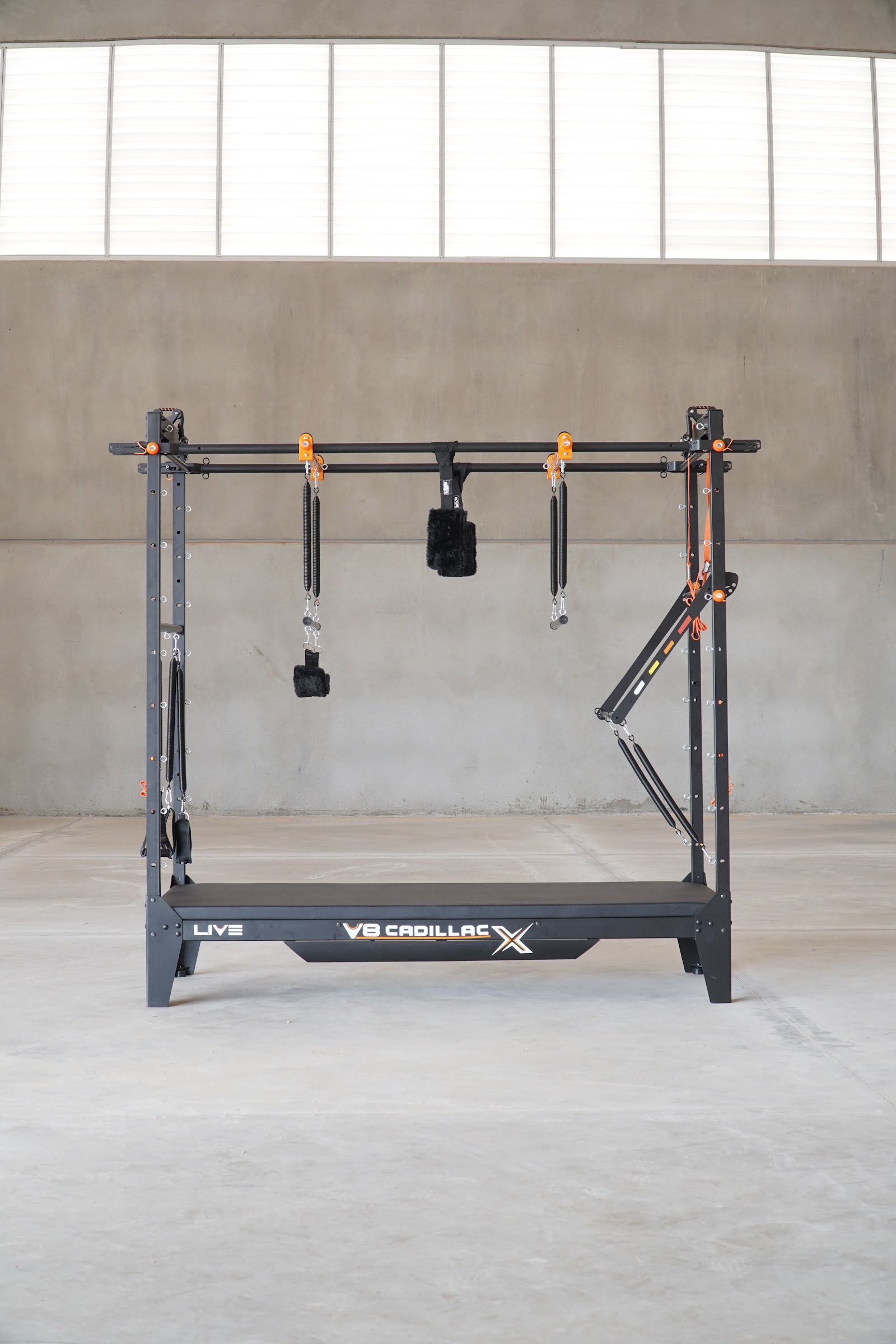
For many people on the autism spectrum, the gym is a hard place to be: loud, unpredictable, socially demanding. A Pilates studio is nearly the opposite. The environment is calm, the routine is consistent, the work happens one movement at a time, and every session follows a structure the practitioner can learn to expect. Those qualities are exactly why structured movement is increasingly explored as a support for autistic children and adults, and this article explains what it can offer, and the boundaries it should respect.
Pilates can be a supportive tool for people with autism spectrum disorder (ASD): the structured, predictable environment, the focus on the body and the use of repetition help with coordination, body awareness and sensory regulation. It is not a standalone treatment; it is a complement, always individualized and coordinated with the person’s specialist team.
01Why structured movement helps
Predictability
Routine and a structured environment create safety and comfort. Sessions that follow a familiar arc, in a familiar space, with familiar equipment, lower the sensory and emotional cost of participating, which is often the biggest barrier to exercise on the spectrum.
Coordination
Motor planning and body control are a common challenge in ASD. Pilates works on precisely this: deliberate, guided movement that builds coordination step by step, with equipment that supports the body while it learns.
Regulation
Breathing and rhythmic movement support sensory and emotional self-regulation. Many practitioners find the deep pressure and proprioceptive input of spring-based apparatus work calming in itself.
Focus
Attention is directed to one movement at a time, broken into clear steps. That format trains sustained focus in a way that feels achievable rather than overwhelming.
02Movement and neurodevelopment
The relationship between structured exercise and neurodevelopment is an active and growing field of study. The principle behind the research is the same one behind this article: the body in motion, with structure and awareness, supports development, always as part of a professional plan. It is a promising area, and one where careful, individualized movement programs in studios and clinics have a genuine role, alongside equipment designed for supported, precisely controlled movement.
03The essential care
Every person on the spectrum is unique. A program that works is built around the individual: their sensory sensitivities, their pace, their preferences, and it is integrated with the wider team of therapists and family. Some practitioners will thrive in a quiet one-on-one session; others may eventually enjoy small group formats. The instructor’s job is to adapt, never to force a standard template.
And a boundary worth stating plainly: Pilates adds to specialized care, it does not replace it. Therapy, family support and professional supervision remain the foundation; movement is a complement that can make everything else work a little better. Families exploring movement for attention-related needs may also find our guide to Pilates for ADHD useful, and for younger practitioners, Pilates for kids covers age-appropriate formats.
Health disclaimer: This article is for general information only and is not medical advice. Any movement program for a person with ASD should be individualized and coordinated with their healthcare and therapy team.